Expert design tips for decorating a Victorian home so the interior design matches this classic architectural style.

The common perception of Victorian homes is that they were dark, dreary, and stuffed with uncomfortably formal carved furniture with horsehair seats. Some were, but others, reflecting the Victorians’ fascination with exploration and proprieties of the time, were filled with color and light. Decorating was highly individual and reflected the interests and social standing of the occupants.

It’s important to remember that television and radio were non-existent, so the family had to entertain itself. Well-stocked libraries, musical instruments including a piano in the parlor, gentlemen’s card tables, the requisite Stereopticon (forerunner of the slide projector), and all manner of needlecraft projects—now associated with Victorian decorating—were necessities to staving off boredom.
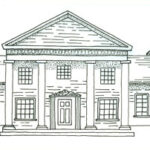
Walls & ceilings. Paint the walls in saturated colors or give them a faux finish-burgundy, forest green, sage, mauve, or ochre—with stained wood trim. For a more sophisticated palette, choose taupe or gray and paint the trim with ivory enamel. Built-up moldings are key to homes of this period; a door usually has plinth blocks plus fluted uprights, medallions at the corners, and often a clear- or stained-glass transom. Typical ceilings are 10 or 11 feet tall, leaving plenty of room above eye-level for crown moldings, picture rails, and stenciled or wallpaper borders.
Floors. Stained hardwood flooring predominates, and public rooms may have inlaid borders, sometimes in a Greek-key pattern. Machine-made Wilton rugs or intricate Persian rugs dress up the floors. Runners add warmth underfoot to hallways, and they’re also affixed to stairways with brass rods at the base of each step. The kitchen and bedroom floors are often painted planks.
Surfaces. Almost everything is embellished; plainness was considered to be in poor taste and abundance a sign of success. Patterns on wallpaper and furnishings range from dainty trailing vines to bold florals in the style of William Morris to neo-classical draped-fabric designs. Ceilings have plaster medallions, gas chandeliers have etched-glass shades, and, if something can be trimmed with fringe, a tassel, or a rope swag, it is.
Fabrics. Choose substantial fabrics like damask, brocade, and velvet, and throw a paisley or embroidered shawl across the piano. Hang floor-length lace curtains at the windows, adding heavy draperies plus swags and jabots in the colder months. Drape openings between rooms with velvet portieres hanging from rings on rods; they frame the opening and close to keep out drafts.
Furniture. Aim for a mix of cushioned and all-wood pieces. High ceilings require at least one tall piece for proper scale, and low-slung pieces are to be avoided. A Jenny Lind spooled bed, a camel-back settee paired with tufted chairs, a mahogany or rosewood secretary (or roll-top desk), a tea table within arm’s reach, and a roomy dining table with matched chairs and a buffet server are typical for the period.