
When it comes to watering your lawns and gardens, you have several options, from spraying with a hose to installing complex drip irrigation systems. Which should you choose? This article will help you understand the differences and guide you to much deeper information.
Hand Watering
The simplest method is to hand-hold a hose with a spray nozzle or connect a hose to a lawn sprinkler that you move from spot to spot. But this can be a hassle because it requires your presence—if you don’t perform on schedule, your lawn and gardens turn brown. So much for going on vacation.
Automatic Sprinklers
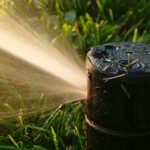
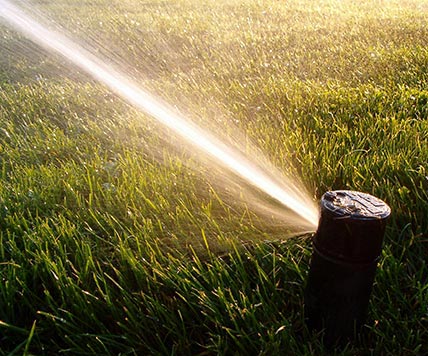
A far more low-maintenance, dependable, less expensive, and hassle-free option is to use an automatic sprinkler irrigation system. Installing lawn sprinklers is a surprisingly easy DIY project, is relatively affordable, and offers huge payoffs in convenience and your water bill. You’ll find links to more information about installing sprinklers at the end of this article.

Drip Irrigation Systems
Drip irrigation reduces the amount of water needed to keep your garden alive. Instead of spraying water over the entire yard, they deliver water where and when it’s needed. Where sprinklers would sacrifice a good deal of water to evaporation, a drip system can target delivery of water directly to plants. It can continuously deliver drops of water to the root areas of plants, minimizing wasted water and encouraging healthy plant growth.
This type of water delivery creates healthier conditions for plants. Using a small amount of water over a long irrigation cycle keeps the ground at the base of a plant consistently damp, promoting growth even in dry climates. Additionally, watering only the area around the roots means weeds are less likely to flourish.
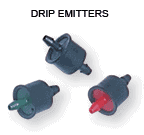
Drip systems come in two varieties: the well-known system that uses flexible tubing and emitters to drip water onto the base of plants, and the newer “micro-irrigation” systems that use smaller versions of sprinkler components to efficiently water small areas. Both systems use the same main components for the water source, distribution, and emission. The major difference is in the types of heads the micro-irrigation systems use: spray heads versus bubblers and drips.
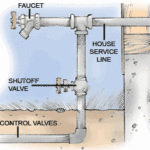
A few additional water source components connect the drip system to an outdoor faucet or irrigation riser. These components include a filter to keep the emitters from getting clogged and a pressure regulator to keep the system at the correct water pressure (usually between 25 and 35 pounds per square inch).
Distribution components include the pipes, fittings, and stakes that deliver the water to emission points. Polyethylene (PE) tubing is used commonly in drip systems—the newest types are flexible, long lasting, and safe for use with plants. Some tubing is made with recycled PE and will eventually break down. Vinyl tubing is very flexible but may transfer chlorine to your water, which in turn will harm your plants.
At the following link locations, you will find more information about selecting sprinklers and drip system equipment, installing these watering systems, and general irrigation maintenance.
NEXT SEE:
• Planning a Sprinkler System
• Sprinkler & Irrigation Repairs
• How to Install Sprinklers & Drip
• Installing a Drip Irrigation System