This expert guide will teach you everything you need to know about growing fruit and citrus trees. Learn about the different types of fruit and citrus trees, and how to plant and care for them.

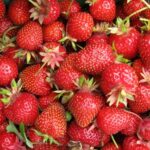
Growing your own fruits and berries means you’ll have the ripest, freshest fare available during growing season. In addition, the plants themselves can play multiple roles in the garden. Fruit trees add spring color with their blossoms and provide shade throughout the summer. Cane berries, such as boysenberries and raspberries, can double as a garden hedge, while strawberries can form a solid ground cover.
Unlike vegetable and herb gardens, which are planted for a single season, fruits and berries are permanent parts of your landscape (exceptions are melons, which are annuals). Planting locations are key, both for the health of the plants and the overall look of your landscape. You’ll also need to prune and shape the plants to keep them in bounds and to ensure future fruit production.

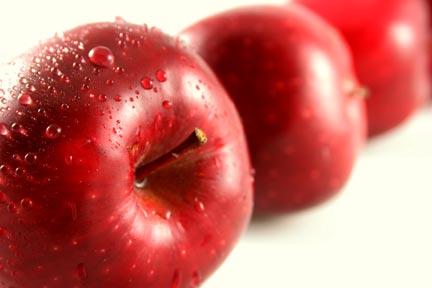
What fruit trees you can grow ultimately depends on your climate. Many fruit trees, such as pears, need a certain amount of winter chill or a number of hours when the temperature is low. Still others, like apricots, can’t handle late-season frosts. Some fruit trees, such as peaches, do best with dry summers. Summer highs and winter lows may also determine which fruit trees will grow in your area.
Another consideration is pollination. Trees like cherries and apples traditionally only develop fruit when planted close to another cherry or apple, which allows for cross-pollination. In the past, this has meant that either you need to plant two trees or you need neighbors with the same fruit trees.
Fortunately, growers have been developing varieties of all types of fruits that can handle less-than-ideal conditions. This includes fruit trees that need less winter chill or that can handle colder winter temperatures, and trees that can self-pollinate. They’ve also often grafted two varieties on one rootstock to allow for cross-pollination, and two varieties of the same fruit on one tree. Local nurseries and cooperative extension agents can steer you to the trees that will do best in your area.
What you don’t need to grow fruit trees, for the most part, is a lot of space. Many fruit trees are naturally smaller than shade trees. In addition, dwarf and semi-dwarf varieties make it easy to fit trees into smaller yards, and their smaller size makes it easier to harvest the fruit. Other options for growing fruit trees in a small space include summer pruning, planting a rootstock with several varieties of fruits grafted onto it, planting several dwarf varieties in one hole, and espaliering branches of some fruits, such as apples, against a wall or to form a fence.
Growing Fruit Trees
Almost all fruit trees have the same basic needs of a sunny spot and well-draining soil. If you live in a cool-summer area, you may want to plant apricots, peaches, and nectarines where they’ll be sheltered.
Fruit trees are generally available from containers or from bare-root stock. Plant bare-root stock in the winter or early spring as soon as the ground can be worked; soak the roots for at least 4 hours before planting, and cut back any broken or damaged roots. Plant trees in containers any time from fall through late spring.
To plant a bare-root tree, dig a hole that is as deep as the roots of the plant and twice as wide. Taper the sides of the hole so they flare outward at the bottom. Create a mound in the center, place the rootball over it, and spread the roots out.
The bud union, a node-like area on the trunk of a grafted tree, should be 2 to 3 inches above the ground. Add soil and firm as you go. When the hole is almost filled, water thoroughly and adjust the height of the tree so the bud union remains above ground. Finish filling in the hole and then create a watering basin around the tree and water again.
To plant from a container, dig a hole as you would for a bare-root plant. Build a small mound at the bottom of the planting hole, remove the plant from the container, and place it on top of the mound. The top of the rootball should be about 2 inches above the surrounding soil. Add in the soil you dug up, firming it as you go.
When the hold is almost filled, water thoroughly and then continue to fill until the soil in the planting hole is even with the surrounding soil. Create a watering basin, and water the soil thoroughly. Note: Young fig trees can be attacked by gophers; line the planting hole with hardware liner or a gopher cage to prevent damage.
Caring for Fruit Trees
Regular watering is the most important requirement for fruit trees; watering basins work well to ensure the roots are thoroughly soaked. Mulch will help keep the soil moist and prevent weeds; just be sure to keep it away from the trunk of the tree.
Apply fertilizer in spring; use a low-nitrogen fertilizer for apples and apricots and a balanced fertilizer for figs, peaches, pears, and plums. Continue to feed Asian pears, pears, and plums throughout the growing season.
Individual fruits are susceptible to different pests and diseases. If a particular disease is especially prevalent in your location, such as fireblight, look for disease-resistant varieties. In all cases, try to stop pest infestations and diseases before they become too serious.
Clean up fallen fruit and leaves, and keep pruning tools clean. Remove diseased limbs and leaves to keep diseases from spreading. Nontoxic approaches to pests, such as handpicking and spraying with water or insecticidal soap, can often take care of a problem before it gets out of hand.
For some problems, such as peach leaf curl, you may need to use a dormant spray in winter. You may also need to place a net over developing fruit to prevent birds, squirrels, and other animal pests from getting the fruit before you do.
Thinning the immature fruit helps increase fruit size and also prevents branches from becoming so laden with fruit that they break. Leave 2 to 3 inches between apricots, 4 to 6 inches between Japanese plums, and 8 inches between peaches and nectarines. Apples should be thinned enough to keep the branches from breaking. Cherries, figs, pears, and European plums generally don’t need to be thinned. If your tree has a single central trunk that continues to the top, remove any fruit developing on it to prevent it from bending.
Note: Most fruits taste best when left to ripen on the tree. The exception is pears; they should be picked when green and left to ripen off the tree. You’ll know a pear is ready to be picked when it easily snaps free from the branch.
Pruning Fruit Trees
Pruning does more than just train the trees into a pleasing shape. It can make a difference in your fruit production and overall health of the tree.
When trees are young, prune to establish the overall shape of the tree, but don’t over-prune or you’ll delay fruit production.
You can train trees to a single strong central stem (called a central leader) or to a more open, vase-shaped form, which can generally be kept much shorter. You should also remove any weak or crossing branches.
Pruning is generally done in the winter, when the trees are dormant. If you are espaliering a fruit tree, this is when you would make the cuts to train the branches.
Summer pruning of fruit trees will help keep trees strong, make it easier to reach the fruit, and keep dwarf and semi-dwarf trees from outgrowing their space. Summer pruning should only be done when trees are mature, and only in climates that don’t get early fall frosts.
How to Grow Citrus Trees
If your winter temperatures never fall below 22 degrees F., then you can grow lemons, limes, oranges, mandarin oranges, grapefruits, and other citrus. Your reward will be an evergreen tree or shrub with highly fragrant flowers and sweet fruit.
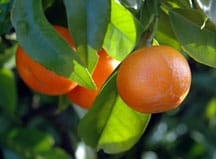
Citrus plants need almost no pruning and will grow in a wide variety of soils. Many people even grow them as container plants or as houseplants.
Plant citrus from either containers or bare-root stock in spring, after the last frost. Add in a controlled-release fertilizer to the planting hole, and remove any fruit on the plant before setting it in the soil.
The graft union, a swollen ring low on the trunk, should sit about 3 inches above the surrounding soil. In hot climates, you may want to whitewash the trunk to protect the bark from sunburn.
Once planted, citrus trees are generally easy to care for. Water deeply twice weekly the first year, unless rainfall does it for you, and then once weekly thereafter. If frosts are expected, water the plants to help protect the roots. Feed regularly with a fertilizer formulated for citrus from late winter to late summer in areas that freeze in winter; you can fertilize into fall in other regions.
Prune to remove any unwanted or weak growth, or to shape the plant. Pest and disease infestations are generally light and can easily be kept in check.