Expert advice on how to eliminate air leaks that cause drafts and waste energy dollars.

Air leaks throughout a house allow expensively heated or cooled air to escape, and cause uncomfortable drafts. In fact, the drafts caused by air leaks can add 5% to 30% to your energy bill.

To find air leaks, start by walking through every room of your house and taking note of any obvious sources. Areas to check for air leaks include:
• Gaps in the baseboards or where the flooring meets the wall and the wall meets the ceiling
• The perimeters of electrical outlets, switch plates, and recessed lights
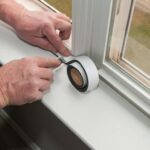
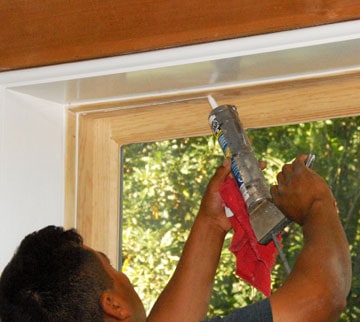
• Exterior window and door frames. Don’t forget to check basement windows. Check to see if all weatherstripping and caulking have been applied properly and are in good condition. If you can rattle a window or door, or see daylight around a window or door frame, you have air leakage.
• Attic hatches
• Places where pipes, wires and vents penetrate walls
• Plumbing vents and stacks that penetrate the roof
• The outside of the house wherever two different building materials meet, such as roofing and chimneys, or siding and foundation.
How to Do a Pressurization Test
If you are having trouble identifying the location of leaks, you may want to conduct a pressurization test.
1. Shut all windows, exterior doors, and fireplace flues and turn off the furnace and water heater.
2. Turn on every exhaust fan in the bathrooms and kitchen or set up a large window fan. The idea is to suck as much air out of the house as you can. Once you have done this, air will begin to leak back into the house faster.
3. To locate the leaks, you can use an incense stick—the smoke will waver at the source of the leaks—or just lightly dampen your hand, which will feel cool at the source of a leak. Or you can watch the flame of a candle.
4. Re-inspect at places where air leaks may be occurring.