The time is far overdue for us to make some serious changes in the way we consume the Earth’s resources and produce pollution.

Contemporary life has been built on the assumption that we would always have enough oil, clean water, lumber, and other resources and that our planet could deal with whatever pollution we threw its way. But these assumptions have proven false. We have learned that green building, energy conservation, low carbon emissions, and environmental consciousness are key to curbing global warming and ensuring the health of our planet.

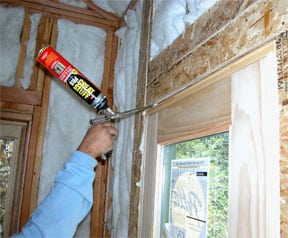
Home Insulation
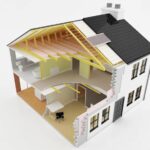
Insulation retards heat movement from warmer to cooler surfaces or spaces. In winter, when warm room air exits through walls, rises up through the attic and roof, and flows down through the floor, insulation blocks—or at least slows—its departure. And in the summer, when warm outdoor temperatures try to force their way into your air-conditioned rooms, insulation holds the heat at bay.
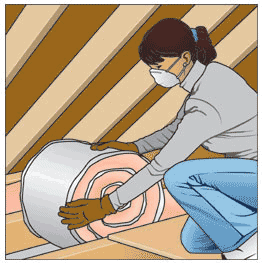
By slowing heat movement, insulation saves energy and also reduces drafts, making a house more comfortable. Several types of insulation are manufactured, including DIY-friendly batts and rolled “blankets” of fiberglass and rock wool; loose-fill granules, fibers, and cellulose that are poured or blown into attics and walls; and various forms of plastic foam.
In this section of HomeTips, you will learn about the various types of insulation, how they are rated, and the different methods of installing them.
Weatherstripping & Caulking
Weatherstripping and caulking are simple, cost-effective ways to keep heated or air-conditioned air where it belongs—in the house. Heating and cooling don’t do much good if the air leaks right out of your home. Weatherstripping is used to seal gaps around moving parts such as doors and windows; caulking seals the gaps where nothing moves. On the following pages, you’ll see more about caulking and weatherstripping.
NEXT SEE:
• House Insulation Buying Guide
• How Insulation Works
• Caulking to Save Energy
• How to Insulate Your Home