Asphalt driveways can show their age over time, drying out, cracking, and giving way to potholes. In this article, you’ll find expert advice for quickly and easily fixing driveway cracks, repairing potholes, and sealing the surface.


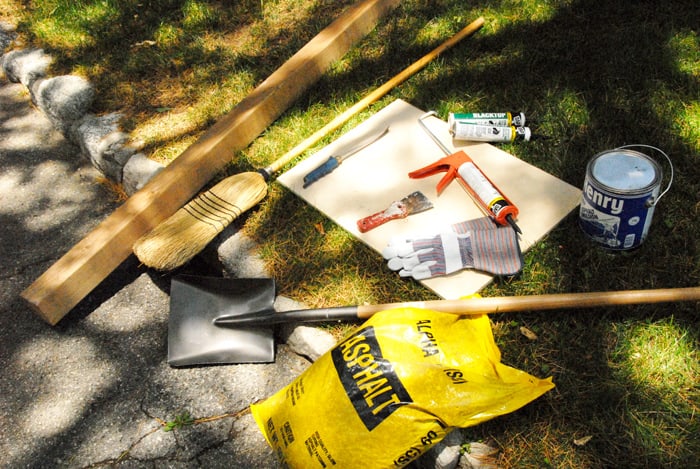
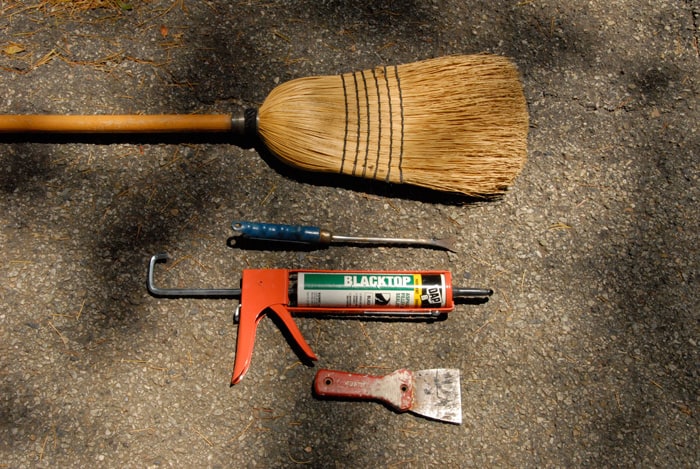
How to Repair Asphalt Driveway Cracks
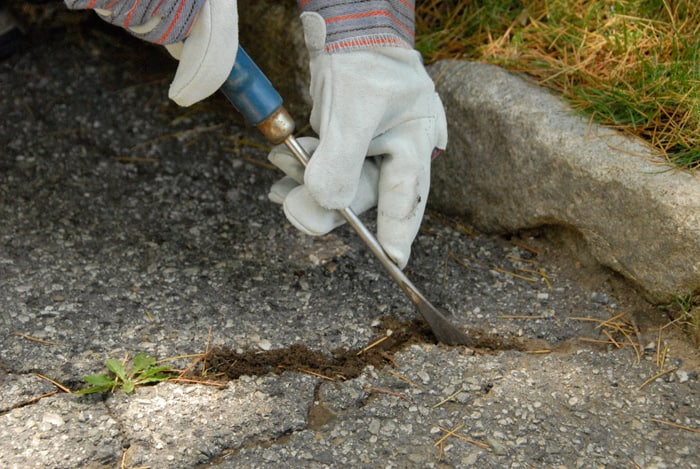
1. Use a weeding tool to clean out the crack. Scrape out any weeds, loose dirt, and debris.
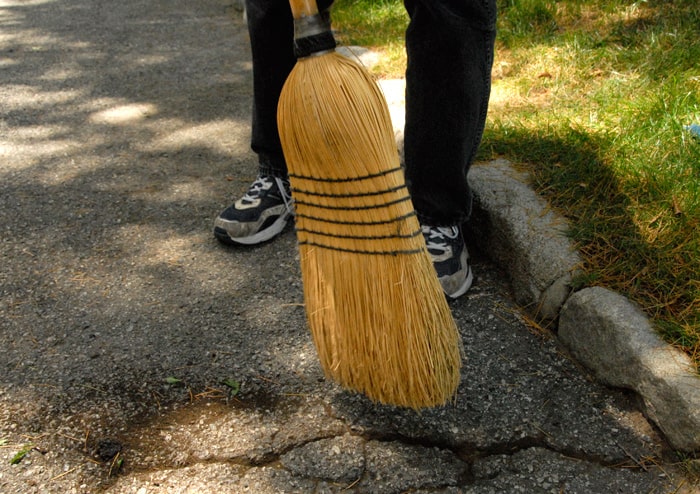
2. Using a broom, sweep loose dirt and debris out of the crack.
3. Using a caulking gun, apply a compound formulated for asphalt repair according to the label directions.
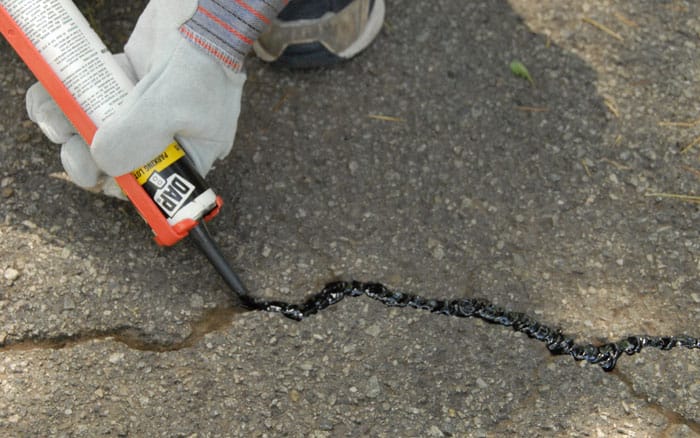
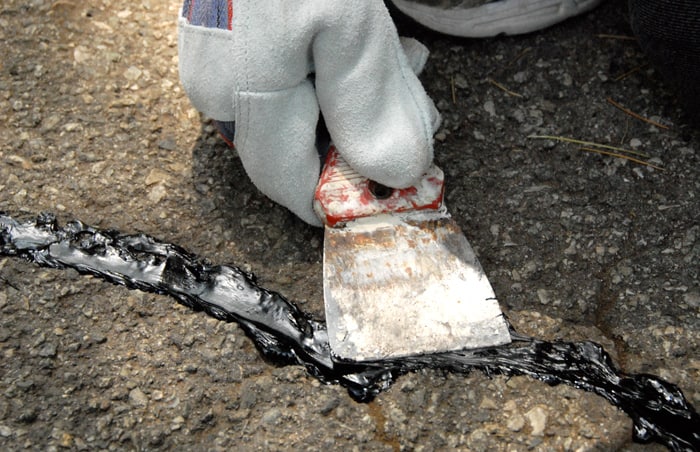
4. Press the repair compound deeply into the groove with an old putty knife. Sprinkle a little sand on top of the repair to keep it from sticking to tires or shoes.
As an alternative, you can buy self-adhesive polypropylene rubberized fabric, sold in rolled strips, that you just cut, peel, and stick over a crack or small hole.
How to Fix Asphalt Driveway Holes
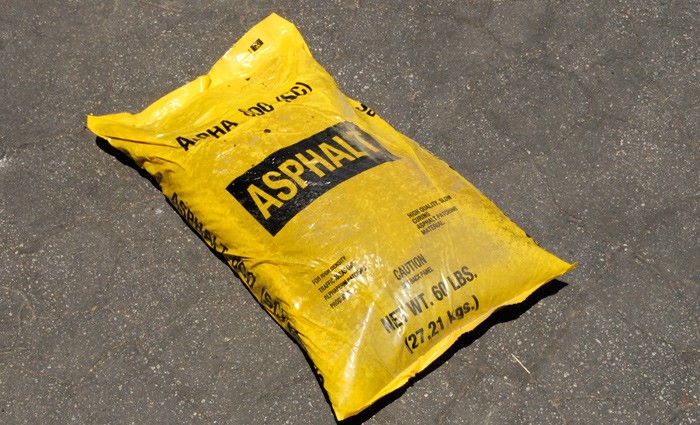
To repair asphalt driveway holes and large cracks, sweep or suction out dirt using a shop vacuum, and then fill in the gaps with cold-process asphalt-repair compound that is sold in large, 60-pound plastic bags. Before you begin the repair work, lay the bag down in direct sunlight if possible to allow it warm.
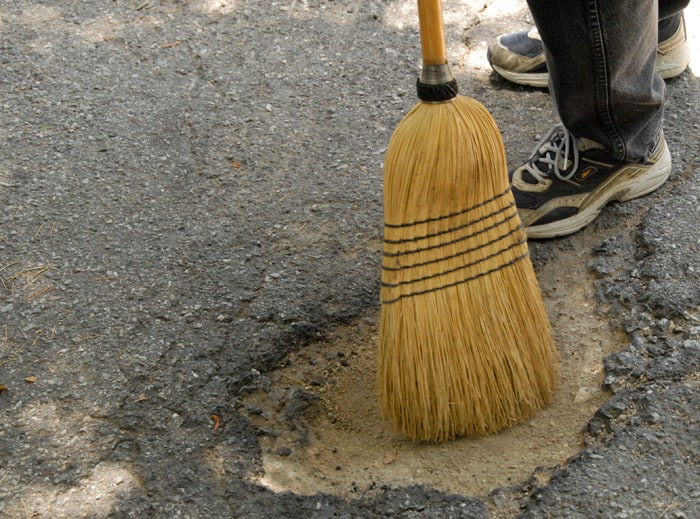
1. Use a broom or stiff brush to sweep out the cracks. If you have a shop vacuum, use it to vacuum up loose dirt and debris.
2. Coat the surface of the hole with asphalt emulsion repair compound, available at home improvement centers or online.
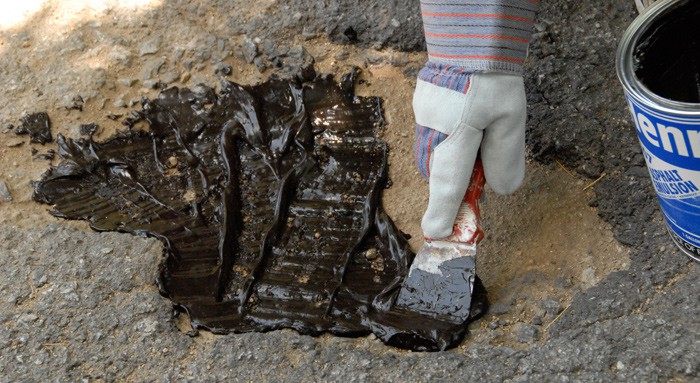
3. Use a bagged cold-process asphalt repair mix to patch holes and large cracks.
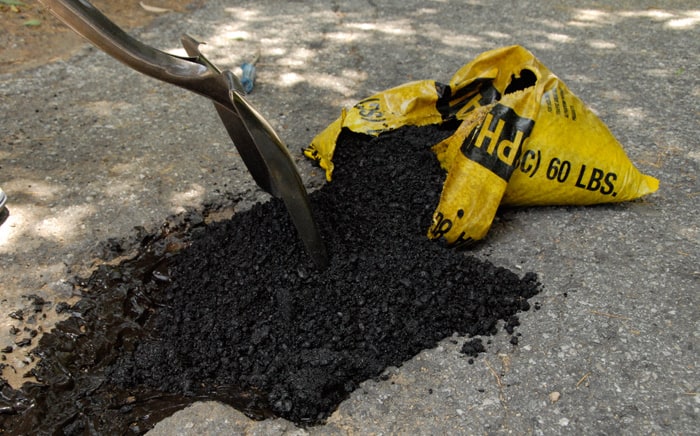
Following the directions on the label break the bag open and fill the hole, slightly mounding the compound up above the surface of the driveway so it has room to settle when it’s full tamped down.
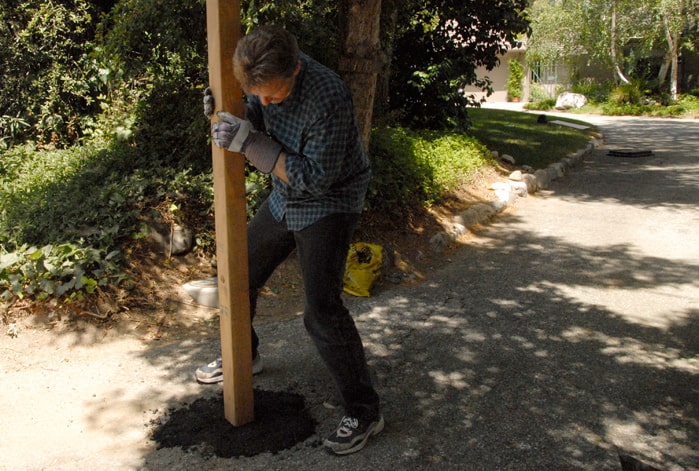
4. Tamp the mix solidly into the hole, leaving the top of the repair slightly mounded. You can use a heavy 4-by-4 post for this job. Then, finally, sprinkle a little sand on top so car tires and shoes won’t stick to the patch.
Asphalt Driveway Repair Video
Don Vandervort shows you how to fix asphalt driveway cracks and potholes in this video:
How to Seal an Asphalt Driveway
One way to extend an asphalt driveway’s life span and to improve the appearance of lusterless, washed-out blacktop is to seal coat it with an asphalt-driveway sealant. As moisture penetrates cracks, then freezes and thaws, cracks grow and allow more water in.
The problem grows. At the same time, sunlight fades and dries the asphalt, making it brittle. Seal coating a driveway is like painting or staining siding—it helps block damaging sunlight and seals-out moisture.
It also helps a driveway to repel gasoline and oil, which disintegrate the asphalt. One gallon covers about 80 square feet, but be sure to check the actual coverage listed on the can.
1. Pull any weeds and sweep the surface.
2. Use a cold-mix asphalt patch to fill holes or wide cracks, and remove stains, as discussed above.
3. Sweep again, then hose off the surface.
4. Apply the sealer according to label directions on a fairly warm day. Normally, you do this while the driveway is still wet. Allow the sealer to cure and avoid using the driveway for 24 hours.
How to Clean an Asphalt Driveway
Freeze-thaw cycles, rain, snow, and daily traffic can take their toll on a driveway, and the resulting cracks and stains can make it look worse for the wear.
Fortunately, cleaning, repairing, and maintaining a driveway can make it look almost new again. The best methods to use depend on whether the driveway is made of concrete, brick, or asphalt. Here we’re looking at asphalt.
To clean an asphalt driveway, scour a mixture of detergent and water into the surface using a push broom with a coarse, stiff bristle.
Hose off the solution once you are done.
How to Remove Oil Stains from An Asphalt Driveway
Though oil stains on asphalt are difficult to remove, you can try to scrub them out with a detergent and bleach or, as an alternative, a commercial driveway cleaner.
If you buy a driveway cleaner, be sure to get one that is made for asphalt; a concrete cleaner can damage asphalt. Follow label directions explicitly. But first, try the household cleaner route:
1. Using a stiff, long-handled brush and a 100% solution of tri-sodium phosphate (TSP) or phosphate-free substitute, scrub the stain. Wear old clothes, rubber gloves, and safety glasses.
2. Rinse thoroughly with a hose and repeat with any areas that still look stained.