When buying a new bathtub, what types, shapes, and materials should you consider? This guide will help your decision making.

Traditional tubs as well as whirlpool tubs are available in four different styles named after the way in which they are installed. Recessed, corner, drop-in, and freestanding tubs come in a wide array of shapes, sizes, materials, and hues. In addition, they come in right- and left-handed versions, indicating where the drain hole goes. (There are also center-hole versions, but they are less common.) To determine the type you need, face the space and note where the plumbing is.
Recessed Bathtubs
Also referred to as an alcove tube, this style is set snugly into a space so that only the front needs to be finished. Because this aspect makes it more affordable—and also space efficient—it is the most popular tub on the market and widely available.

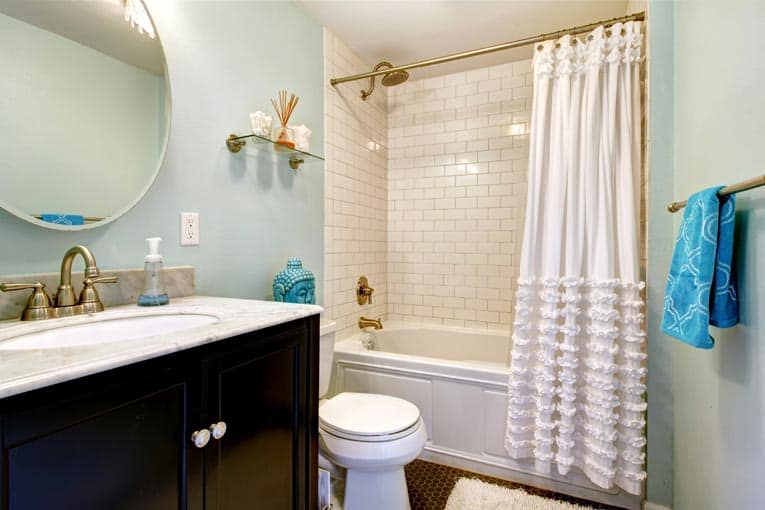
Designed to fit into a standard 5-by-7-foot bathroom, the most common recessed tubs are 60 inches long and 14 inches deep; however, you can also find models that are 72 inches long and 16 inches deep.
Many recessed tubs are molded from steel with an enamel finish; while this option is affordable, the relative light weight makes them noisy and they are likely to chip.
A better, though more expensive, option is cast iron with an enamel finish, but you will need to assess whether your bathroom floor can support the weight without additional reinforcement.
Corner Bathtubs
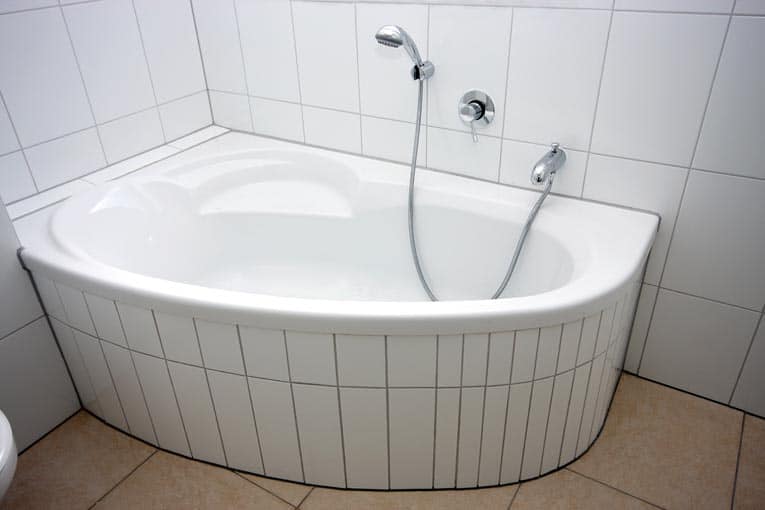
The basic corner tub is simply a tub that fits into a corner, with two unfinished and one or two finished sides. Think a recessed tub only with two finished sides instead of one.
Other common shapes are triangular and box.
Drop-in Bathtubs
Usually set into a platform, drop-in tubs can also be set into the floor. Some models have a rim that sits on the floor or platform; others are rimless so the tub is flush with the floor or platform and only the inside of it needs to be finished. A tub that has a raised platform is easier to get into and out off that one that is completely recessed at floor level.
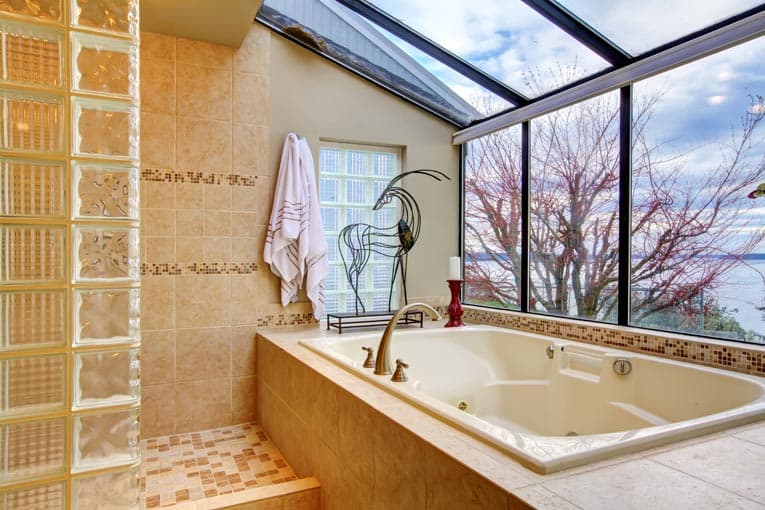
Available in a variety of shapes, many are manufactured out of acrylic or plastic that has been reinforced with fiberglass. They are lightweight, but they are also prone to scratching and dulling. A tub formed from enameled cast iron is a sturdier option, but you will need to find out if your bathroom floor can endure the weight without reinforcement.
Freestanding Bathtubs
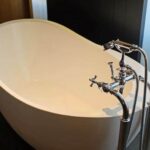
The popular claw-foot tub fits into this category, but any tub with four legs qualifies. Most sit directly on the bathroom floor, though a few models are designed to fit into a platform.
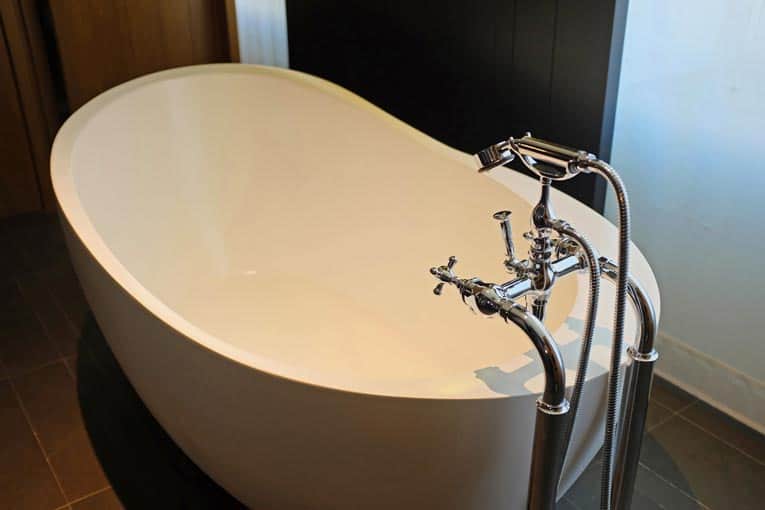
Since all sides are exposed, these tubs are the most expensive of the four styles. The least expensive option is a reproduction of an antique as these can be made from lightweight materials. The more expensive reconditioned antique will be made of cast iron, so again, here, you will have to figure out whether your floor can stand the weight without additional buttressing.
Whirlpool Bathtubs
A whirlpool tub is just like a regular bathtub except it comes with jets that provide a therapeutic hydro- massage. Whirlpools come in all four basic styles, with the drop-in being the most popular. Keep in mind that in addition to the higher cost of the unit itself, the tub may need special framing plus a dedicated water heater and electrical circuit.
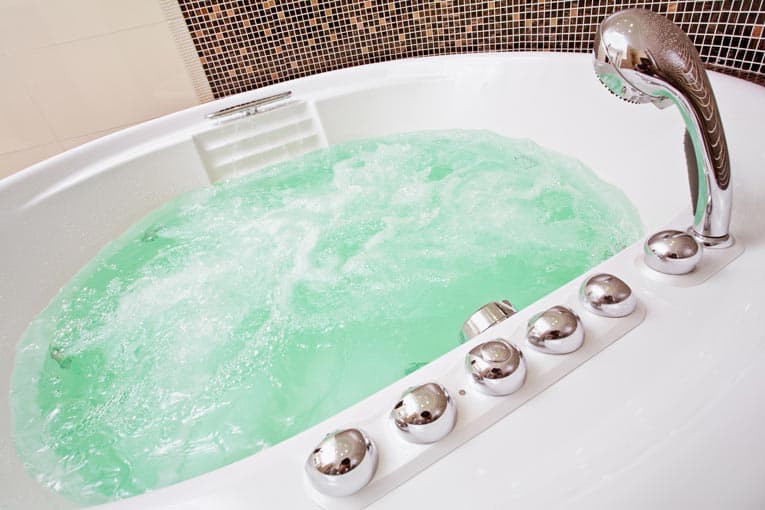
Various styles have various options, so keep these considerations in mind:
• How noisy is the pump, and can it be placed in a separate location?
• Does the pump have a variable-speed control that adjusts the power of the jets?
• Does the control set temperature, and does it have a timer option?
• How big are the jets, how many of them are there, and are they air jets or water jets? (Air jets are smaller than water jets and only inject air into the water whereas water jets mix water with air; air jets are less powerful but they do prevent mildew formation.)
Custom Bathtubs
Another option is not to buy a bathtub at all, but to build one instead. This is clearly a more involved option, but results in a completely custom tub. With this option, a mason builds a base that is connected to a drain in much the same way as a shower. Then tile—usually mosaic—is used to finish the surface.
Bathtub Faucets & Fittings
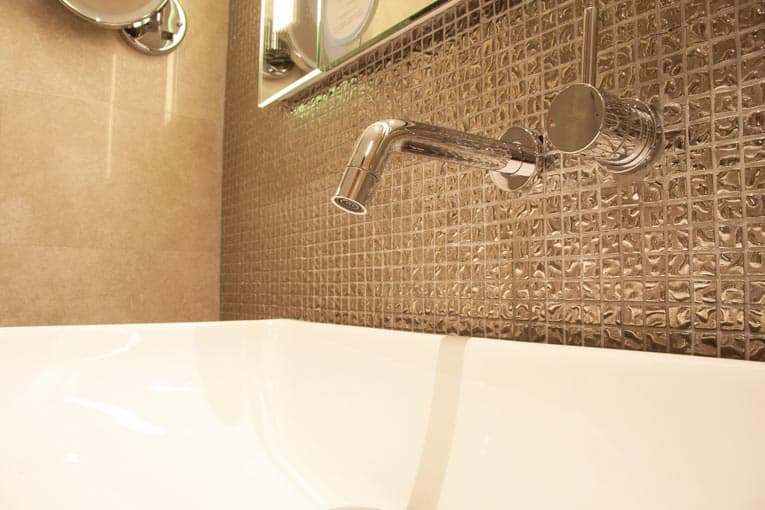
Tub faucets can be deck- or wall-mounted, and they come in a wide range of styles and finishes to suit the decor of nearly any bathroom. For a unified look, you can choose matching handles for your sink, tub, and shower.
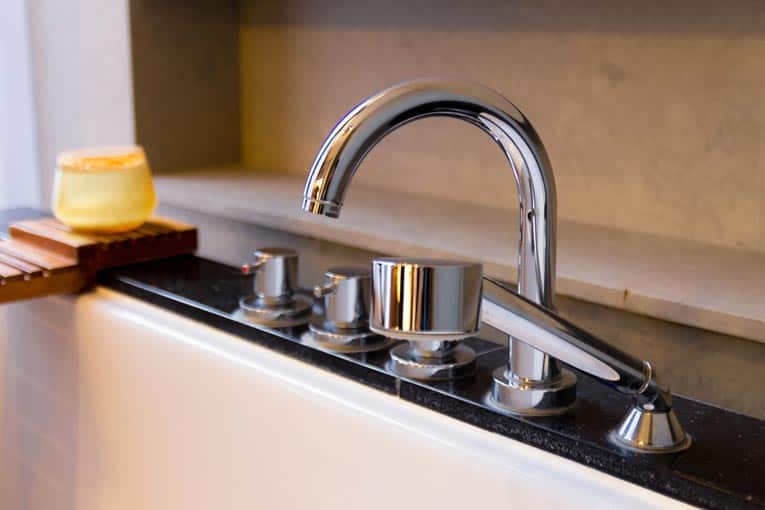
The best fittings are made from brass, which costs more than the alternative, plastic, but lasts much longer. Brass faucets are typically finished in chrome, brass, or powder-coated enamel, but you can also get them plated with pewter, nickel, gold, and other specialty finishes such as oil-rubbed bronze. Choose any finish that suits your taste, but be aware some require vigilant upkeep.
Inside every faucet is a valve that controls the flow of water through the spout. Tub and shower valves are concealed behind the bathroom wall, making some repairs difficult and leaks potentially disastrous.
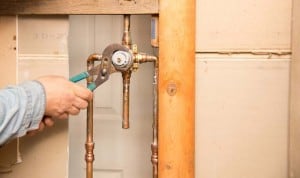
For maximum performance and durability, consider spending a bit more for a “washerless” faucet. To prevent dangerous burns from hot water, consider an anti-scald shower valve.
A tub/shower combination requires a diverter valve that switches from one function to the other. An in-wall diverter is controlled by a handle positioned between the two faucets, while a diverter spout has a control button located on the spout itself. A combination tub/shower installation will include a showerhead and shower arm as well as a diverter. Tub-only packages often come with a hand shower—a deck-mounted showerhead attached to the end of a flexible hose. Hand showers are particularly useful for bathing children and dogs, and rinsing dusty house plants and shower walls.