Cut energy usage, reduce your heating costs, and improve home comfort with these immediate DIY steps. Offers great ideas for lowering energy usage and costs.

Adjust Your Thermostat
Use the Sun’s Warmth
Control Where Warm Air Is Delivered
Reduce Heat Loss
Maximize Your Heating System
Control Humidity
Consider Electrical Bills
As the cost of heating homes goes higher and higher, many homeowners are scrambling for ways to stay warm yet have enough money left over to buy groceries. Most homes are heated by natural gas, oil, or electricity, and the prices of these fuels continue to escalate. So how can you save money on heating bills this winter?
Heating fuels still take a big bite out of our budgets. According to Energy.gov, home heating fuel is typically about 42% of a home’s utility bill (Source: Energy.gov, 2020).
Following are some helpful tips for saving both energy and money. All of these are relatively easy and inexpensive to set in motion. Additional methods, such as buying high-efficiency heating equipment, energy-efficient appliances, and installing insulation, are pricey in the short term but savings more than pay you back over the long haul.
Here some helpful strategies you can try right now.
Adjust Your Thermostat

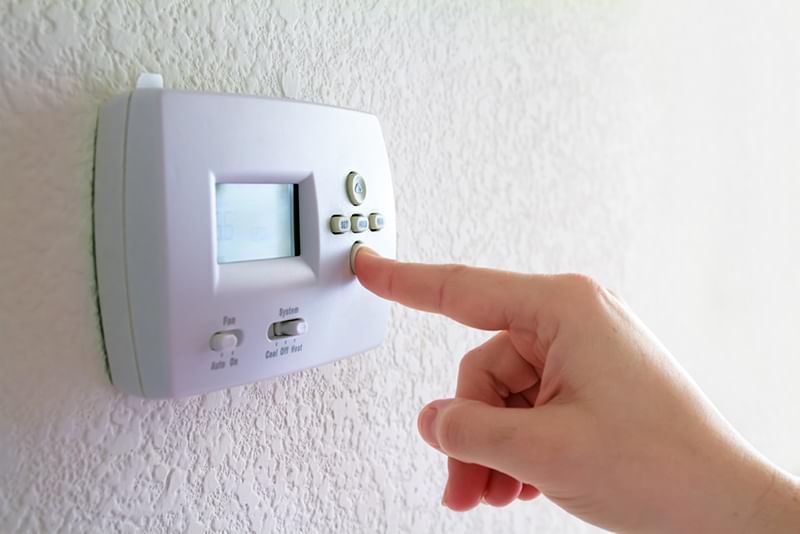
Yes, this means that when you’re home, you may have to put on a sweater. But by turning down your thermostat 2 degrees, you can save about 6% on your energy bill. In other words, if your monthly energy bill is $300, you can save about $18. The U.S. Department of Energy recommends keeping your thermostat at a maximum of 68 degrees.
Don’t Run the Heater When You’re Away
When you’re asleep or away from home, the temperature can go even lower. A programmable thermostat will give you the necessary control. It can be programmed to turn the heat down to 61 degrees just before you go to bed, bring the heat back up to 68 degrees a few minutes before you get up in the morning, turn the heat back down when you leave for work, and return it to a comfortable temperature just before you get home. According to Energy.gov, installing one of these can save an estimated 10 percent on heating and cooling cost by lowering your thermostat’s setting 7 to 10° for 8 hours each day (Source: Energy.gov, 2020).
Splurge on a “Smart” Thermostat
Even better is a “smart” thermostat such as one made by Nest, ecobee3 or Honeywell. Not only are these programmable, but they learn your habits and automatically adjust the temperature accordingly, and some can be operated via a mobile phone app. They are available at home improvement centers and Amazon for from $100 to $250. This might sound expensive, but their features can save a lot of money in the long-run. .
Be aware that turning the thermostat up to a high temperature setting will not warm a room faster. Doing this will just heat the room longer—until the temperature reaches the high setting. When you do this, you waste energy and risk forgetting to reset the thermostat to the proper temperature.
Use the Sun’s Warmth
Take advantage of the natural heating that the sun offers.
Windows and Curtains
Windows that face the sun can be very effective solar collectors. Open curtains on south, east, and west-facing windows (in the northern hemisphere) during the day to warm interior surfaces and banish pockets of cold air. Then close all curtains at night to help keep the heat from escaping. Consider hanging thermal curtains for additional efficiency. Amazon has a wide variety of thermal curtains.
If you plan to leave curtains open for long periods of time, consider applying UV-blocking window film to prevent fading of flooring and furnishings.
Also Read: How to Apply Window Film
Remove Outdoor Barriers to Sunlight
Though fences and trees that block the wind can help protect a house from heat loss during the winter, consider trimming or pruning trees and bushes that prevent the sun from reaching windows. Deciduous trees that lose their leaves during the winter are ideal because they allow the sun during winter but provide shade during the summer. The more sunlight to hit your house, the more radiant heat you’ll feel when indoors.
Control Where Warm Air Is Delivered
Using a few simple strategies, you can maximize the delivery of heat indoors.
Close Interior Doors
Consider reducing the heat to seldom-used rooms by closing doors or closing vents. But don’t shut down a room where the thermostat is located—this would cause the heating system to stay on most of the time. By avoiding pumping heat into unused spaces, you’ll notice a more efficient heating of the most important areas of the house.
Use Dampers if Your Have Them
If your home is heated by a forced-air system, talk to an HVAC pro about whether it’s possible to close down the heating registers in unused rooms or adjust dampers in the ductwork to redirect heat to the rooms that require it. This should be done by a pro because HVAC systems are balanced, and too much “back pressure” caused by closing vents can cause the ductwork to leak and the furnace to work inefficiently.
Be sure the flow of heat from registers and vents is not blocked by furniture or drapes. And check the obvious: Make sure they’re set to “open”!
Space Heaters and Wood or/ Pellet Stoves
You can sometimes stay comfortable in individual rooms while turning down the central heating system’s thermostat if you utilize space heaters or wood- or pellet-burning stoves to keep the spaces cozy. Beware, however, that electric space heaters can rack up expensive electricity, as they are “high draw” appliances.
House Design Considerations
In many two-story houses, heat distributed downstairs rises to the second floor where it overheats the upstairs rooms. In a typical scenario, somebody downstairs turns up the heat, and then someone upstairs opens a window to provide cooling ventilation. The resulting “chimney effect” pulls more warm air upstairs and sends it out the window, causing a draft downstairs. This, of course, defeats efforts for conservation and comfort—and isn’t great for family relationships.
If possible, close doors between upstairs and downstairs to keep the warmed air from rising. Then try reducing the delivery of heat to the upstairs rooms. Ultimately, the best way to solve this is to install a zoned heating system that utilizes automated dampers to control the flow of heat.
Even in a single-level home, heat rises and collects at the ceiling. If your home has a reversible ceiling fan, set it to slowly spin in reverse to gently push warmed air back down into the room.
Reduce Heat Loss
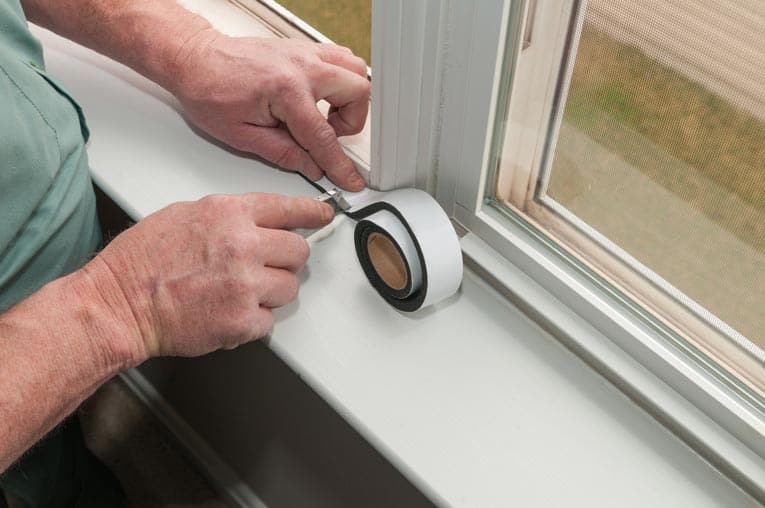
Once you’ve paid to warm the air in your home, do everything possible to prevent that warmed air from escaping.
Weatherstip Doors and Windows
Some homes never feel comfortable because the heat being produced inside escapes through the walls. Air sealing, caulking, and weather stripping doors and windows will help solve these issues.Also
Also Read: How to Weatherstrip Doors and Windows.
Upgrade Insulation
If your home’s insulation is old or inadequate, you could easily be losing valuable heat through the walls or ceiling. Often, upgrading attic insulation can make a noticeable difference in the heat retention of a house. If you have an unfinished attic, adding extra insulation can be a relatively easy project.
Also Read: How to Insulate and Attic, and How to Buy House Insulation
Check the Chimney
Be sure the fireplace damper or flue is closed when the fireplace is not in use—an open chimney can suck a tremendous amount of expensively warmed air out of the house, especially in windy conditions
Turn Off Ventilation Fans
Additionally, minimize the use of ventilation fans, such as bath fans or kitchen fans, because they draw heated air out of the house. Be sure to shut them off as soon as they’ve done their job. A timer switch or occupancy sensor makes this a no-brainer. You can find many different kinds of light switch sensors online at Amazon.
Maximize Your Heating System
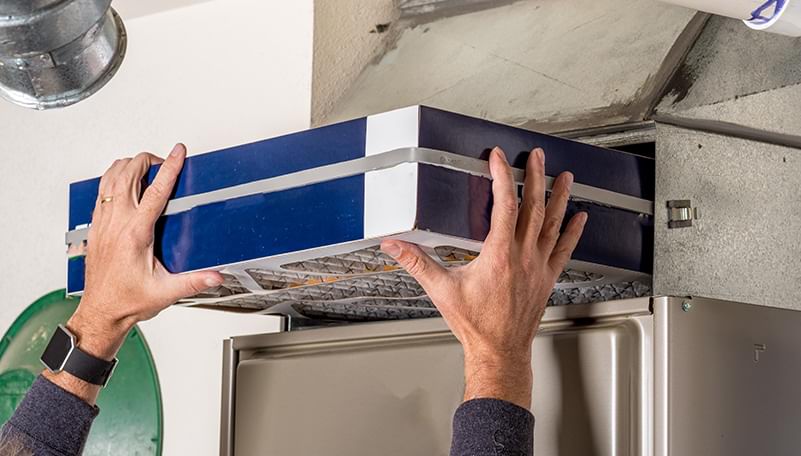
Be sure your heating system is operating at maximum efficiency. This generally boils down to regular maintenance.
Perform Regular Maintenance
If your home is heated with a forced-air system, have the system serviced regularly. Clean filters or replace them every month or two.
Also Read: How to Replace a Furnace, AC or Heat Pump Filter
Inspect Ductwork
Be sure air ducts are free from blockages and that they are properly sealed. A tremendous amount of heated air can be wasted if joints between heating ducts become disconnected. An HVAC pro can help you determine whether this is the case. Also be sure that any ducts passing through unheated areas such as the crawlspace or attic are insulated.
Radiator Efficiency
If your home uses radiant heat, be sure radiators are clean and unobstructed. Hot-water radiators should be cleared of trapped air once or twice each season. Unless you know how to do this yourself, hire a pro. To improve efficiency of a radiator, you can place a heat-resistant reflector between the radiator and an exterior wall. These are available online or at home improvement centers.
Control Humidity
Heating isn’t just about the number on a thermometer. Relative humidity affects comfort, too. Keeping humidity fairly high in the winter allows you to run your thermostat at a lower temperature and maintain comfort.
You can measure your home’s indoor humidity with an inexpensive hygrometer (“humidity meter”), available online (browse at Amazon) or at most hardware stores. The ideal humidity level for most homes is from 25 to 40 percent during the winter and below 60 percent during the summer.
If you find your home has too much or too little humidity, consider using a humidifier. These are available in room models or as a furnace-attached unit. A dehumidifier can also lower humidity levels if needed.
Consider Electrical Bills
If your home is heated by electricity, be aware that many electrical utilities have “tiered” billing. With this, the more electrical power you use, the more you pay per kilowatt of usage. If you reduce overall electrical usage, your costs will stay in the lower billing tiers.
A final word: These strategies are just first steps toward energy efficiency, but they are relatively easy and affordable ways to keep your home warm and comfortable.
This article was expanded and adapted from the original, which was written by HomeTips founder Don Vandervort and appeared originally at USNews.com.