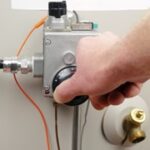
Did you know that a water heater could blast through a house like a powerful missile? Be sure your water heater’s T&P relief valve works to keep it from becoming a danger!

TOOLS & MATERIALS LIST
| Tools | • Large crescent wrench or pipe wrench • Garden hose • Bucket |
| Materials and supplies | • Teflon® pipe-wrap tape • New T&P valve |
Steam, if allowed to build in pressure, is an incredibly powerful force.
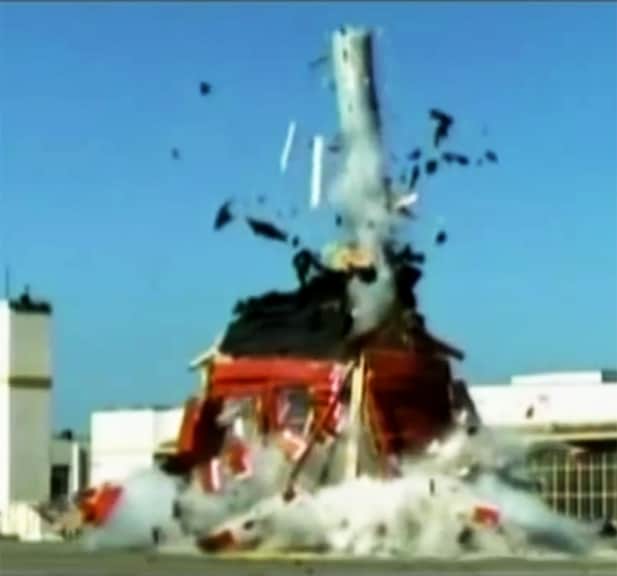
In the video below, Jamie and Adam of the popular television show, MythBusters, show just what can happen when the heat—and resulting pressure—inside a water heater surpasses the water heater’s rated limit.
When they crank-up the heat and pressure, the water heater blasts through the upper floor and roof of a demonstration house and soars hundreds of feet into the sky, leaving behind a demonstration house that’s been blown to smithereens.

This is why storage water heater tanks have a simple little device called a temperature and pressure-relief valve (T&P relief valve) screwed into the top or side of the tank.
If a water heater overheats to a temperature above 210 degrees F, building pressure inside the tank in excess of 150 psi, this simple little valve automatically opens and releases the built-up pressure (and water), protecting against a disastrous explosion.
Obviously, it’s important to be sure this valve works properly.
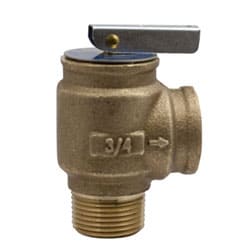
As T&P valves get old, they can begin to drip or leak and may need to be replaced. You can order a water heater T&P valve online or buy one at a hardware store or home improvement center.
How to Test a Water Heater T&P Relief Valve
Periodically test this device by lifting its lever to make sure it is working. Hot water should come out of the discharge pipe. When you release the lever, it should snap back down.
Unfortunately, doing this with an old valve can cause it to leak. If it does, you’ll need to replace it. So the solution can become the problem. That’s why we’re showing you how to replace it.
Because the pipes and the water will be very hot, wear sturdy gloves.
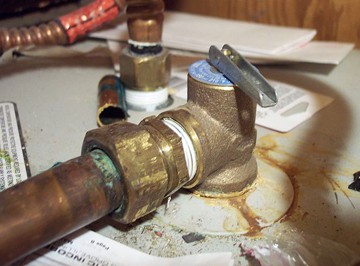
Note: Be aware that a pressure relief valve is designed so that water will pour out of it if pressure builds up too high in the water heater. With this in mind, the discharge pipe from the valve should be emptied into a bucket or tray, or be piped outdoors or to a drain. It should never be capped!
How to Replace a Water Heater T&P Relief Valve
Here’s how to replace a water heater temperature-pressure relief valve:
1. Shut off the cold water to the water heater and gas or electricity that heats the water heater. Close the shutoff valve on the cold water inlet line that fills the water heater.
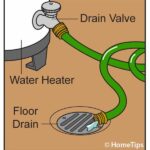
2. Drain the water from the tank until the water level is below the valve’s location. To do this, connect a garden hose to the water heater’s drain valve, open the hot water at any faucet, shower, or bathtub to relieve the water pressure in the system, and then open the drain valve. Remember that the water will be hot!
For a top-mounted valve, drain about 1 gallon. For a side-mounted valve, drain about 10 gallons. Then turn off the drain valve and the faucet.
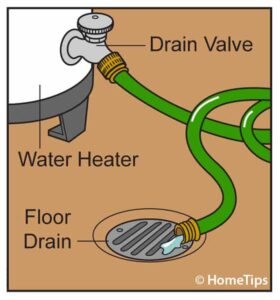

Caution: The water will probably be very hot unless you’ve allowed enough time for it to cool!
3. Raise the lever on the valve to release any excess pressure.
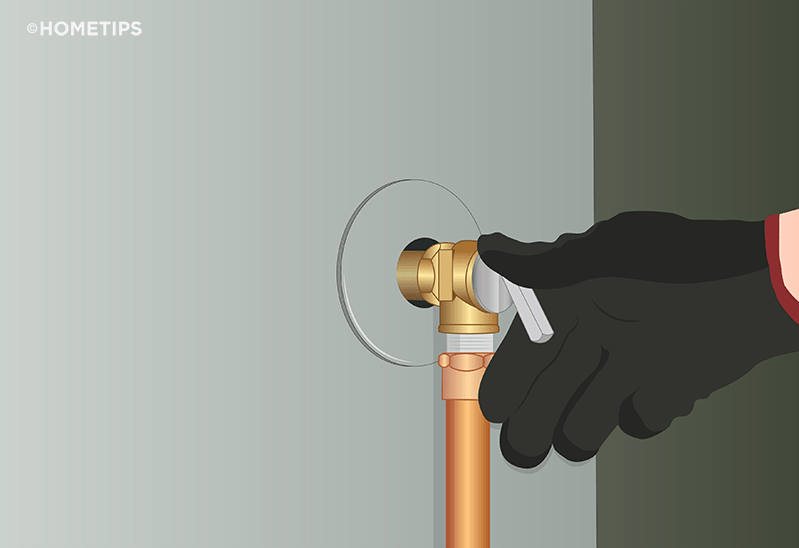
4. If the valve has a discharge pipe attached to it, unscrew the pipe, turning it counterclockwise (as viewed from the pipe).
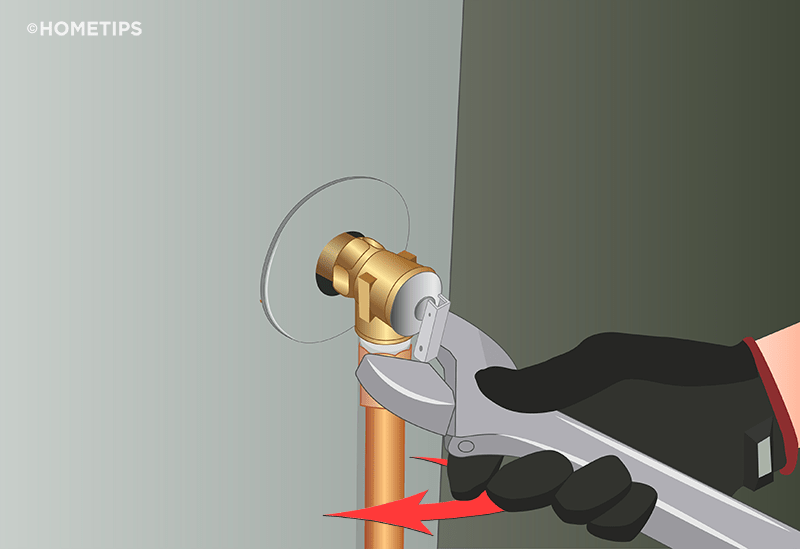
5. Unscrew the old T&P valve from the water heater after you’ve unscrewed the discharge pipe from it. Turn it counterclockwise, using a wrench. Note: Slide a pipe over the wrench’s handle if you need more leverage to break it free. If hot water begins to pour out, screw the valve back in and drain more water from the tank.
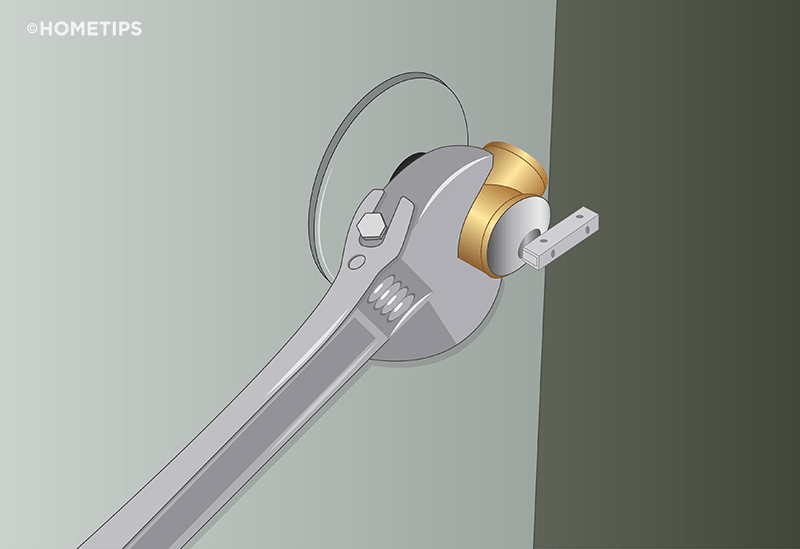
6. Wind Teflon® pipe-thread tape on the threads of the new T&P valve, winding counterclockwise. Then screw the new valve into the water heater, turning it clockwise. Tighten it with a wrench, but don’t over-tighten.
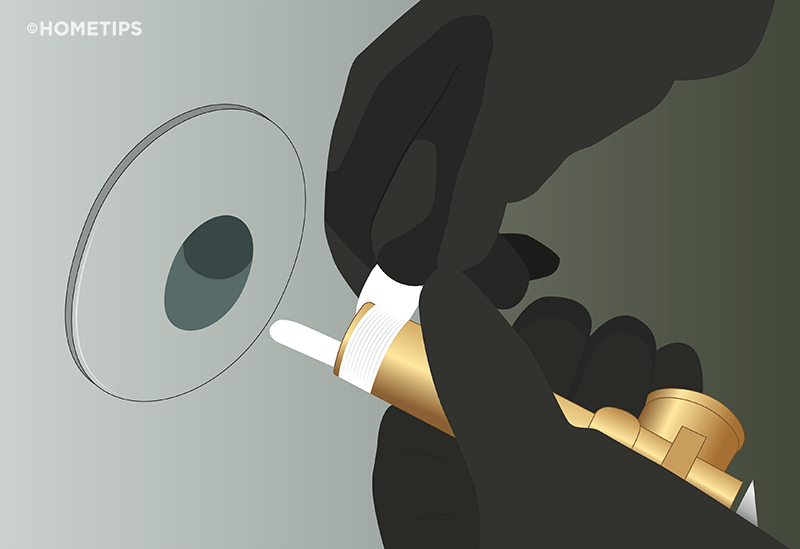
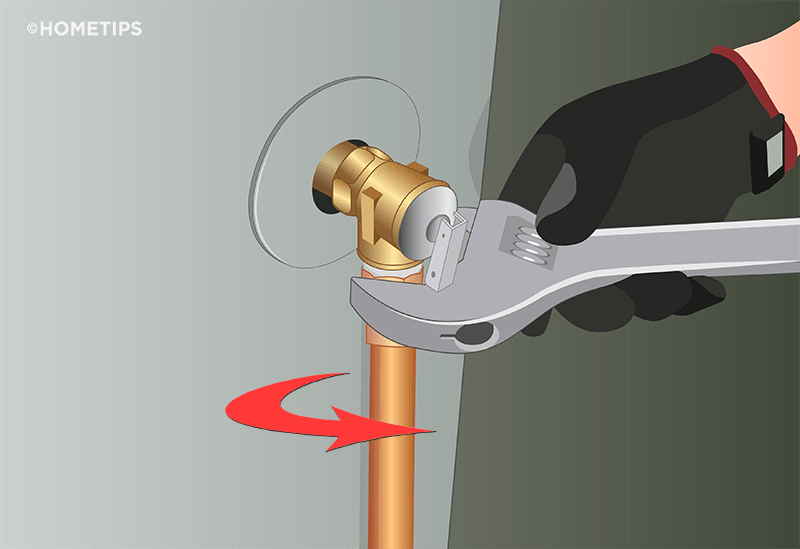
7. Wind pipe-thread tape onto discharge pipe’s threads and screw the discharge pipe CLOCKWISE into the new valve. Snugly tighten it with a wrench. Make sure the pressure-release lever on the valve is closed.
8. Open one of your home’s hot water faucets. Then open the cold-water shutoff valve to the water heater and begin refilling the tank. Put a bucket under the end of the T&P discharge pipe. When you hear the tank beginning to fill with water, lift the pressure-release lever on the T&P valve and watch water spill through the discharge pipe into the bucket.
When the water from the discharge pipe becomes a steady stream, close the T&P pressure-release lever. When hot water streams through the faucet that you opened in your home, turn off that faucet.
Turn the gas or electricity back on and, for a gas water heater, relight the pilot light or restart it with the electronic igniter if necessary. Give the water heater a few minutes to reheat, and then check the T&P valve again to make sure it is working and not leaking.
If everything is working properly, congratulations! You’ve handled this important improvement yourself!
Find a Local Pre-Screened Water Heater Pro
How to Replace a Water Heater T&P Relief Valve FAQs
- What steps should we follow to replace the safety valve safely?
To replace the safety valve safely, first turn off the water heater and drain the tank to below the valve level. Remember: The water will be hot! Next, remove the discharge pipe and unscrew the old valve, then wrap the threads of the new valve with Teflon® tape and screw it in securely. Finally, replace the discharge pipe, refill the tank, and restore power to the water heater.
- Why do we turn off the water heater before changing the safety valve?
Turning off the water heater before changing the safety valve is crucial to prevent burns from hot water and to release pressure within the tank while working on it. It’s also important for protecting the heat source inside the tank, which isn’t designed to operate without water in the tank.
- What’s the purpose of the pipe attached to the old safety valve?
The purpose of the pipe attached to the old safety valve, known as the discharge pipe, is to direct released water and pressure safely away from the water heater and any individuals. This prevents potential scalding or water damage when the relief valve releases pressure.