Expert Advice for Home Improvement & DIY Repair
How to Paint Window Frames

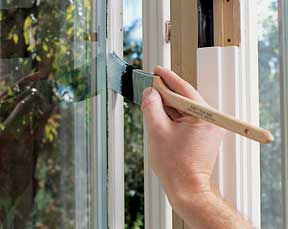
When painting windows, choose an angled sash brush, which will reach into corners. Load the brush lightly.

If you do not have a steady hand, cover the edges of the glass with masking tape. But if you feel you can guide a paintbrush in a straight and smooth manner, save yourself the time and hassle.

Use a tapered sash brush, lightly loaded, on the frames. Let the paint lap slightly onto the glass. This will seal the finish to the glass so condensation will not get under the paint and cause it to peel. Then wipe off the excess paint with a rag wrapped around a putty-knife blade.


Double-hung windows
If the sashes are removable, lift them out and lay them on a table to paint them. Be prepared to leave the sashes out long enough to dry thoroughly (at least 24 hours). If they are not removable, raise and lower them as needed to reach all the window parts.
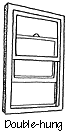
Paint the outer, or upper, sash first. If the window has small glass panes, begin with the horizontal muntins, and then work on the vertical ones. Next, paint the exposed parts of the stiles, the top rail, and the bottom rail, in that order. Then paint the parts of the inner, or lower, sash, starting with the muntins and finishing with the rails.

When painting the trim of a double-hung window, begin with the head casing, and then paint down the sides. Next, paint the stool, and then finish by painting the apron.

Casement windows
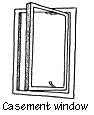
First paint any vertical muntins and then any horizontal ones. Next, paint the top rails, the bottom rails, and the stiles, in that order. Finish the job by painting the casing.

No matter what type of window you have, do not paint the jamb. This may cause the window to stick. After you paint the window, if the jamb is made of wood, wax it with floor wax. This is unnecessary for a metal jamb.

If you do not have a steady hand, cover the edges of the glass with masking tape. But if you feel you can guide a paintbrush in a straight and smooth manner, save yourself the time and hassle.

Use a tapered sash brush, lightly loaded, on the frames. Let the paint lap slightly onto the glass. This will seal the finish to the glass so condensation will not get under the paint and cause it to peel. Then wipe off the excess paint with a rag wrapped around a putty-knife blade.

Double-hung windows
If the sashes are removable, lift them out and lay them on a table to paint them. Be prepared to leave the sashes out long enough to dry thoroughly (at least 24 hours). If they are not removable, raise and lower them as needed to reach all the window parts.

Paint the outer, or upper, sash first. If the window has small glass panes, begin with the horizontal muntins, and then work on the vertical ones. Next, paint the exposed parts of the stiles, the top rail, and the bottom rail, in that order. Then paint the parts of the inner, or lower, sash, starting with the muntins and finishing with the rails.

When painting the trim of a double-hung window, begin with the head casing, and then paint down the sides. Next, paint the stool, and then finish by painting the apron.

Casement windows
First paint any vertical muntins and then any horizontal ones. Next, paint the top rails, the bottom rails, and the stiles, in that order. Finish the job by painting the casing.

No matter what type of window you have, do not paint the jamb. This may cause the window to stick. After you paint the window, if the jamb is made of wood, wax it with floor wax. This is unnecessary for a metal jamb.


Copyright Sunset Publishing Corporation
Related Articles on HomeTips

DIY & Installation Projects (13)
Buying Guides & Reports (3)

 
Have a Question About This?
Search the HomeTips Forums   Search
 
        What Others Are Asking...