Expert advice on emergency portable generators, including how to buy, set up and run them, and generator features, sizes, and necessary equipment.


When the electrical power goes out during a major storm or utility company outage, many of us realize just how reliant we are on electricity. Electricity, after all, provides light and powers just about every appliance and technology device in our homes. As a result, without electrical power, our homes become little more than shelter. We sit in the dark, imagining our frozen foods thawing and praying for longer cell phone and laptop battery life.

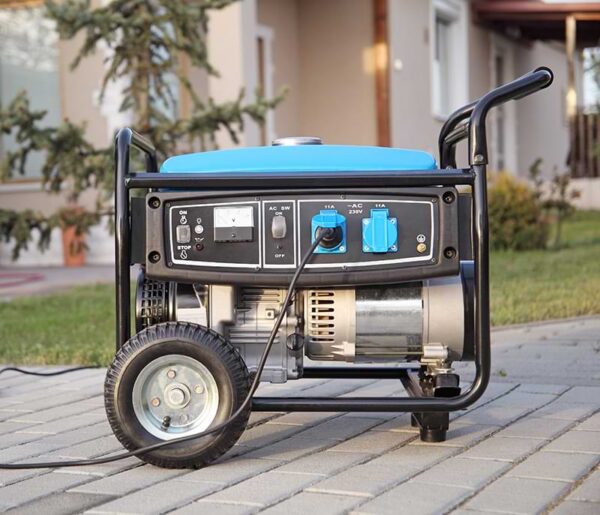
This is why emergency generators make sense. Generators can supply enough power to keep our households operating until the electricity returns. Having a portable electrical generator on hand in the event of a major power outage can help your family weather the storm. Having a some electrical power may allow you to have a couple of lights, refrigeration, hot water from a gas water heater, and a working gas furnace.
In this article, you’ll find information that will help you make smart choices about emergency electrical generators and other devices that can keep the electric power operating. In addition, you’ll get help with basic set-up, care, and maintenance.
For information about standby generators, which are a permanent, high-capacity version of the more common emergency generator, please see Alternatives to Emergency Generators.
Buying the Best Portable Emergency Generator
If you live in an area where power outages are rare but sometimes do occur, a portable emergency generator may be all the investment you need. It can keep the freezer and refrigerator running or enable you to turn on some lights and run a microwave and a computer so you can survive for days without any serious losses.
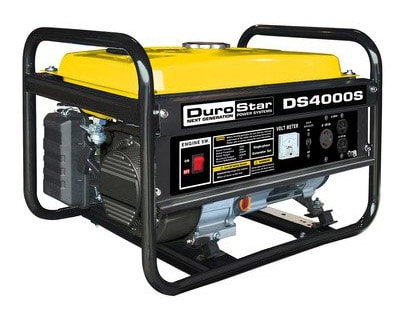
Choose a generator made specifically for household use rather than a worksite or camping generator. Consider how much power and what sorts of plugs you will need. Also consider the quality of the machine and how easy it will be to start and maintain.
Buy Portable Electrical Generators at Amazon.
Generator Considerations
Here are the features you should consider when making a choice:
Amount of Power a Generator Will Deliver
Generators are sized according to the number of watts of electrical power they deliver. In addition to the power a generator supplies while in constant running mode, a generator also should supply short bursts of “surge” power, which is needed for a few seconds to start up a large appliance such as a refrigerator or a clothes dryer.
A small generator delivers 3,000 to 4,000 watts—enough to supply a medium-sized refrigerator, a few appliances, a TV, and some lights. If you want a more civilized life, up the wattage to 5,000 to 6,000 watts and you’ll be able to add a window air conditioner or two, a freezer, and more appliances. Large generators that deliver 7,000 to 10,000 watts enable you to run just about everything in a medium-sized house, minus a central air conditioning system.
Type & Number of Electrical Plugs a Generator Has
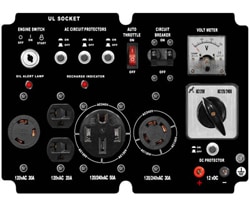
A small portable generator may have only 12-volt plugs, suitable for standard extension cords and able to run lights and small to mid-sized appliances. If you need to power a 240-volt appliance, be sure the generator has a suitable plug. If you will plug the generator into the home via a transfer switch (see Standby Generators & UPS Backup Batteries), there must be a special four-slotted plug that supplies both 120 and 240 volts.
Type of Fuel that Will Power the Generator
Most inexpensive generators run only on gasoline or diesel fuel and may have a fuel tank that holds only enough to last a couple of hours. Choose a model that has a tank large enough so it can run through most of the night. Also consider generators that can convert to connect to a propane tank or to the house’s natural gas lines.
Generator’s Motor & Starting Method
Some low-end generators start using a pull rope that you yank as you would an old-fashioned lawn mower. Higher-end models have battery-powered electrical starters. Obviously, pushing a starter button is much easier than yanking a rope. Also consider what is needed to keep them operational. Some motors must be started and run for a few minutes every month or two, while others can go for a year or two without running.
Generator’s Grounding Method
Nearly all modern generators do not need to be grounded (connected to a grounding rod driven into the earth or to a metal water pipe). For safety, check the owner’s manual to ensure the model you choose does not need to be grounded.
Helpful video
Following is a Consumer Reports video that is very helpful in gaining an overview when shopping for a generator.