Is metal roofing right for your home? This expert guide reveals the benefits and drawbacks of metal roofing and compares metal roofing to other roofing materials to help you make an informed decision.

If you are in the market for a new roof, the roofing material you choose will make a huge difference in your new roof’s cost, look, performance, maintenance, and durability. Asphalt shingles, wood shakes, composite tile, concrete tile, metal roofs…all of these options vary greatly.

Here are the pros and cons of metal roofs, comparing it to other materials. Then, after the discussion of benefits and drawbacks, we’ll dig deeper into whether a metal roof is right for your home.
For a comprehensive look at the many different choices in metal roofing, be sure to see our Metal Roofing Buying Guide.
Metal Roof Benefits
Metal beats out conventional roofing materials in several ways:
Metal Roofing Lasts A Long Time
A properly installed quality metal roof should last from 40 to 50 years, sealing out water, surviving high winds, and easily shedding snow. The fact that metal is resistant to fire, mildew, insects, and rot pays off big in longevity.
For comparison, the following list shows how long other roof materials are expected to last, according to a study by the National Association of Home Builders (NAHB). Please note that harsh climate conditions, poor workmanship, and damage from severe weather can shorten any roof’s expected life.
- Asphalt shingles—20 years
- Fiber cement shingles—25 years
- Modified bitumen roofing—20 years
- Wood shingles and shakes—30 years
- Tar and gravel (flat roof)—20–25 years
How long does a metal roof last?
Metal roofs can last 50 years, depending on climate conditions, workmanship, or unforeseen damage. About the same as:
- Simulated slate—50 years
- Real slate—50+ years
- Clay/concrete tile roofing—50+ years
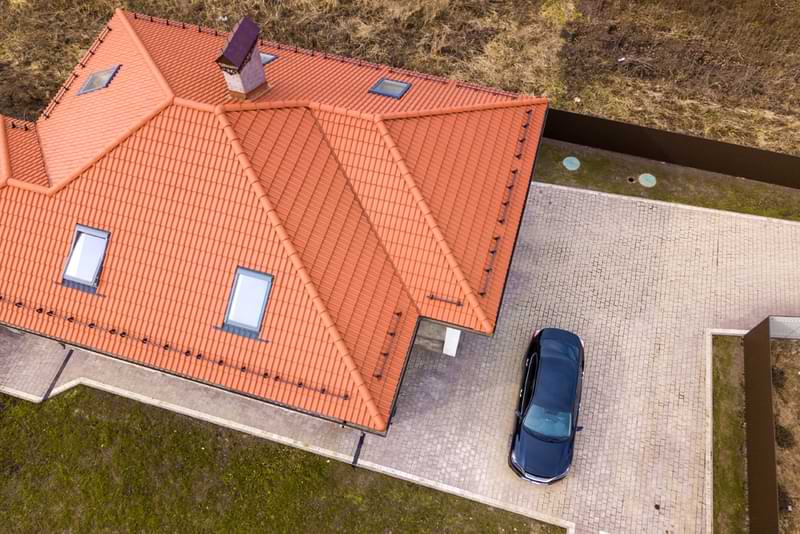
Most major metal roof manufacturers back their products for 20 to 50 years. Products with painted finishes typically have a 30-year limited warranty. Materials finished with extremely durable resin-based polyvinylidene fluoride (PVDF) coatings have 50-year warranties. (Kynar® is the trade name of one very popular PVDF coating.)
Metal Roofing Is Lightweight
Metal roofing weighs from 1 to 3 pounds per square foot, depending upon the thickness and profile of the material. It is one of the lightest of all roofing materials. By comparison, here are typical weights of other roofing materials:
- Conventional asphalt shingles — from 2 to 3.5 pounds per square foot
- Textured (architectural) asphalt shingles— from 3.5 to 5 pounds per square foot
- Wood shingles and shakes—from 3.5 to 4.5 pounds per square foot
- Clay or concrete tile—5.5 to 10 pounds per square foot
Because metal roofing is lightweight, you can save on the engineering and building the supporting structure. In fact, if you’re building a new house or a new addition, you can often downsize or reduce the number of roof support members because of metal roofing’s light weight.
Can Metal Roofing Go Over Existing Shingles?
As long as the existing roof surface and the decking beneath it are sound, flat, and free of rot, metal roofing can usually be applied over the top of one old layer of asphalt shingles. Check local codes and the manufacturer’s specifications before doing this.
Of course, tearing off the old roof so you can start with flat, sound sheathing certainly gives you a much cleaner starting point. But leaving the old roof in place also has advantages. For example, it:
- Decreases labor and haul-off expense of stripping the old roof
- Leaves an extra insulation barrier for increased energy efficiency
- Minimizes the debris and disruption to your home and yard during the project
- Adds additional sound insulation for rain and hail
A Metal Roof Installs Fast
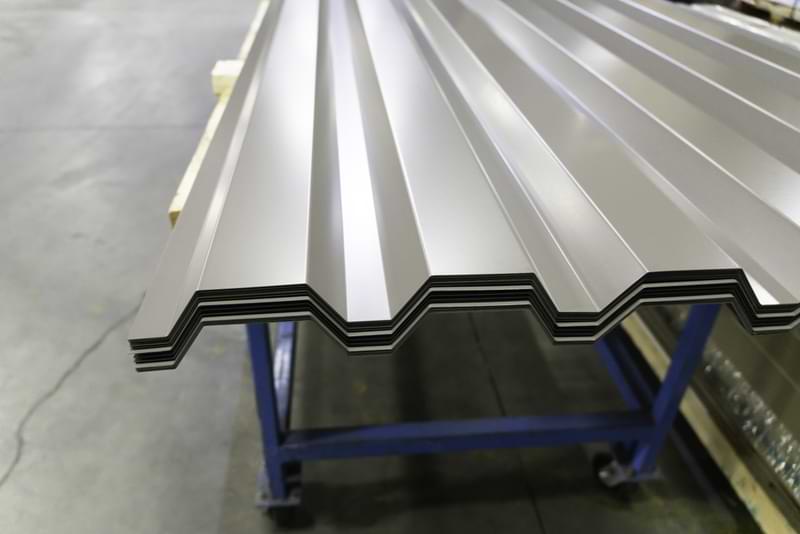
Metal roofing materials are sold as large “standing-seam” sheets or in multiple-shingle sections that are 12 to 36 inches wide. Standing seam sheets are typically 3 feet wide by 6, 8, 10, 12, 14, and 16 feet long. You can also get custom sizes.
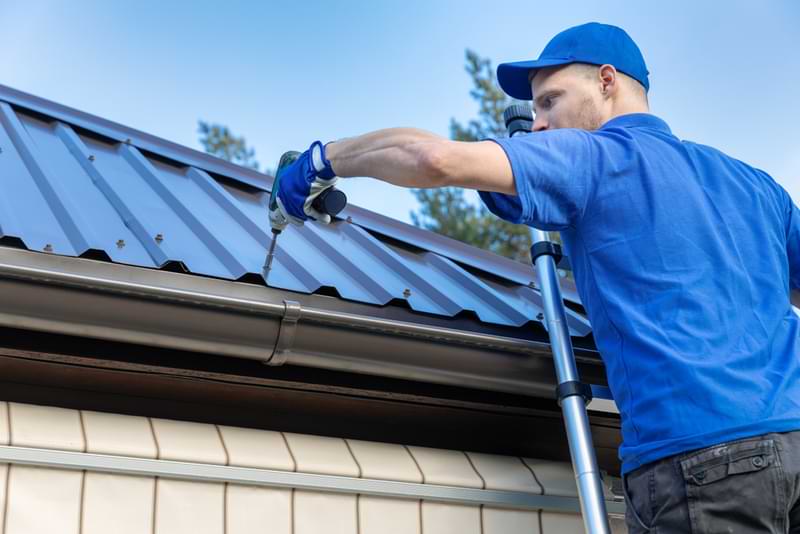
An accomplished contractor can install these quickly. If your roof is stripped off and a storm is on the way, shortening the installation process by a day or two may offer a critical advantage. Obviously, there is also considerable cost savings if you can ease and shorten the duration of roof installation.
Metal Roofing Doesn’t Catch Fire
Because metal roof materials are noncombustible, they typically have a Class A fire rating (the most fire-resistant rating). Flying sparks and embers will not set them on fire.
Just be aware that part of a roof’s overall classification depends on materials beneath the surface that could ignite in intense heat, too. Most metal roofs applied over a combustible material such as wood shingles have a lower, Class C rating for this reason. (See notes under “Metal Roofing Drawbacks” regarding problems in the event of a house fire.)
Metal Surfaces Reflect Heat
Metal reflects radiant heat from the sun, minimizing midday heat gain. This reflective characteristic means you save energy needed for air conditioning during the day. In fact, federal rebates are offered for metal roofing that has appropriate pigmented coatings that meet EnergyStar requirements. You can get a 10% tax credit up to $500 (not including labor).
Regarding the insulation value of metal roofing in both heat and cold: Though the material itself is low in insulation R-value, metal roofing can be applied over foam insulation that has very high R-values. In addition, many systems utilize a dead-air space between the metal surface and roof deck beneath it to minimize heat transfer, increasing energy efficiency.
Metal Panels Can Go On Low-Pitched Roofs
Most metal roofing materials can be installed on gently pitched roofs without leaking. Minimum roof pitch for metal shingles is typically 3-in-12—this means the roof rises 3 inches for each horizontal foot. Some standing-seam roofing can be used on 2-in-12 roof pitch or, in some cases, even as low as 1-in-12.
In comparison, most asphalt or roof shingles can’t be used on a roof with a lower pitch than 3-in-12 (in some cases, 4-in-12) and materials such as tile require a slope that is 4-in-12 or steeper.
Metal Is Great At Shedding Snow & Rain
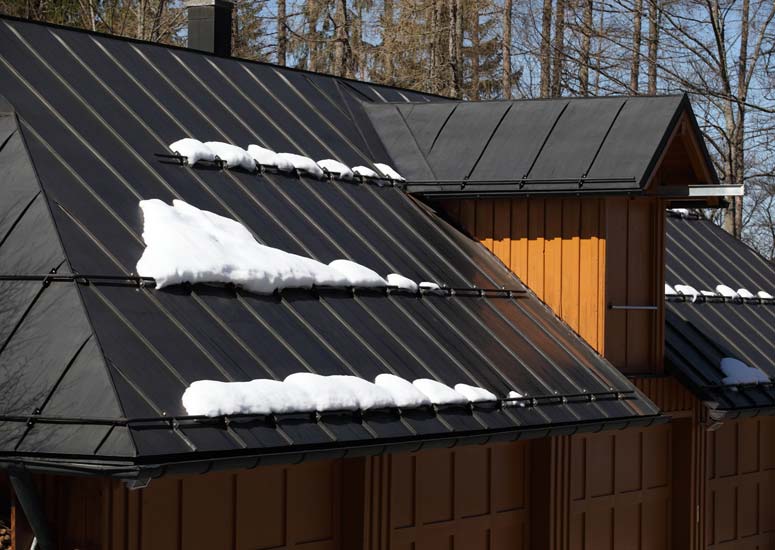
Metal roofing is practically impervious to rain and snow because of the way the panels interlock and because the surfaces are hard and slippery. In addition, dark tones of metal roofing quickly warm to the sun, encouraging snow melt.
Steel Roofing Is Environmentally Friendly
Manufacturing asphalt uses petroleum and fossil fuels. Also, asphalt roofs require replacement every 15 to 20 years, so nearly 20 billion pounds of old asphalt shingles are dumped in US landfills every year, according to the Environmental Protection Agency.
A Metal Roof Stands Up to Tornadoes & Hurricanes
“Many metal roofing systems have been tested and proven to withstand winds in excess of 140 miles an hour, which is the equivalent to an F2 tornado and provide protection against impact damage from debris.” say’s Todd Miller, Vice Chairman of the Metal Roofing Alliance.
According to the Palm Beach Post, metal roofs proved to be the most hurricane-resistant. “If the roofers used the correct attachment method, either screws or clips, the wind will have a difficult time getting underneath metal roof panels.”
Metal Roofing Drawbacks & Myths
Though metal roofing offers many pluses, a few drawbacks are worthy of mention. For the most part, metal roofing manufacturers have improved their products to address or solve many of these concerns, so it’s important to separate the myths from the drawbacks that are real.
Susceptibility to Rust
Over time, some steel roofs can develop rust caused by moisture. Fortunately, advancements in coating and paint technologies have significantly mitigated this issue. By applying appropriate rust-inhibiting primers and high-quality coatings, homeowners can effectively combat rust and extend the lifespan of their metal roofs. Regular inspections and proactive maintenance also play a crucial role in identifying and addressing rust-related concerns before they become extensive problems. For more, see Choosing the Right Metal Roof Coatings and How to Choose Metal Roof Paint.
Is Metal Roofing Noisy?
Yes, it will probably be noisier than living beneath a thick slate or tile roof in a heavy rainstorm or hailstorm. But the idea of noise being a problem may be more myth than reality. It depends on construction.
Metal shouldn’t be noisier than thinner materials such as asphalt or wood shingles. The fact is that rain and hail can drum on any thin membrane.
But noise can be controlled both by using quality materials that have structural barriers to minimize the drumming effect, by applying the metal over sound-deadening insulation and solid plywood sheathing, and—where possible—by having an attic between the roof and your rooms.
Do Metal Roofs Attract Lightning?
This is a myth. Many people assume that because metal conducts electricity, it also attracts it. This really isn’t the case, and many instances have been documented where lightning has struck trees or other high objects located near metal roofs rather than the roofs themselves. Just the same, metal roofs should be grounded by a lightning protection company.
If a metal roof does get struck by lightning, it will disperse the energy and be far less likely to burn than a wood roof.
High Initial Cost—Yes, but…
Okay, you’ve landed on the biggest drawback of metal roofing: initial cost. Metal roofing costs about the same as other premium materials—from about $150 to $600 per square (100 square feet).
For the sake of comparison, here is a list of typical price ranges for metal roofing and other common roofing materials for an average size home:
- Metal roofing (steel) – $5000 to $13,000
- Metal roofing (copper) – $10,000 to $25,000+
- Asphalt-fiberglass shingles – $4000 to $7000
- Wood shingles and shakes – $10,000 to $20,000
- Concrete tile – $8000 to $23,000
- Clay tile – $12,000 to $30,000+
- Synthetic slate – $12,000 to $30,000
- Natural slate – $18,000 to $60,000+
Because of the material’s long-term durability, the trick is that you ultimately save the difference (and more) if you stay in the house for a long time and you save on seasonal maintenance. Then again, if you plan to move in a couple of years, you probably won’t get a reasonable return on your investment unless your future buyer recognizes the long-term value of the roof.
Add up all materials and labor and divide this sum by the number of years the roofing is expected to last to estimate your roof’s cost per year.
Metal Can Dent
Okay, if a golf ball hits your car, it will leave a dent. If you live in Texas or somewhere that has hail the size of golf balls, the hail will probably dent your metal roof, especially if your roof is made of a soft metal such as copper or aluminum.
If you think heavy hail would be a possibility in your area, choose a roof material that is guaranteed not to dent. Or choose metal roofing shingles, metal roofing shakes, or roofing that has a pattern or ribbed structure that gives it rigidity. Always, choose 24- or 26-gauge steel for maximum durability.
You Should Avoid Walking On Metal Roofs
Though you shouldn’t have to walk on a roof that doesn’t leak, there may be occasions when a plumber needs to snake out a vent pipe or a chimney sweep needs access to the chimney flue. You have to be very careful when walking on most metal roofs—both to avoid damaging or denting the roofing and to keep from slipping off. (See How to Clean & Repair Metal Roofing for repair information.)
You can walk on some metal roofs but not all of them. Whether or not they will dent from foot traffic depends on how the particular product is made and the type of construction supporting it. As you might imagine, metal can be very slippery when wet.
Some painted metal roof finishes can peel, chip, fade, scratch, or chalk, although nearly all premium products are guaranteed for at least 30 years. Walking on some types, particularly those with a granulated-stone surface, may cause surface wear. Installers must be careful not to scratch or dent the roofing during installation, and panels must be treated with care. Unlike conventional roofing, some metal shingle systems are installed from the top down, eliminating the need to walk on them.
Modifying Panels Can Be Difficult
Metal roofing materials installed in large panels are more difficult to replace if damaged than individual shingles. Also, if you remodel or add on to your home 10 or 20 years from now, it may be difficult to match the material.
Installation Is Not Foolproof
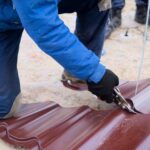
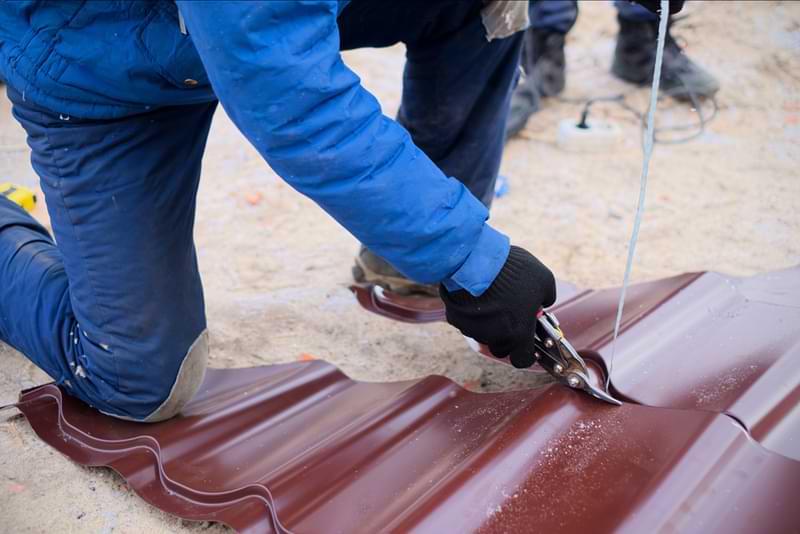
Installing a metal roof should be done by someone with plenty of experience. Unlike an asphalt shingle roof, a wood shingle roof—or most other roofing materials—metal roofing is a material that fewer roofers are trained and practiced at installing.
A metal roof must be installed correctly. If it isn’t, you can have major problems with condensation beneath it and/or leaking.
Some manufacturers or distributors require that their products be installed by professional metal roofing contractors who have been accredited by taking a few factory-taught classes.
Roof panels with exposed fasteners are particularly vulnerable to improper installation. If screws attach through the flat surfaces (rather than the raised ridges), rain water can run down the roof and seep into the screw holes. For this reason, special resilient washes must seal around screw heads. If you have this type of roof installed, be sure the manufacturer’s instructions are followed precisely.
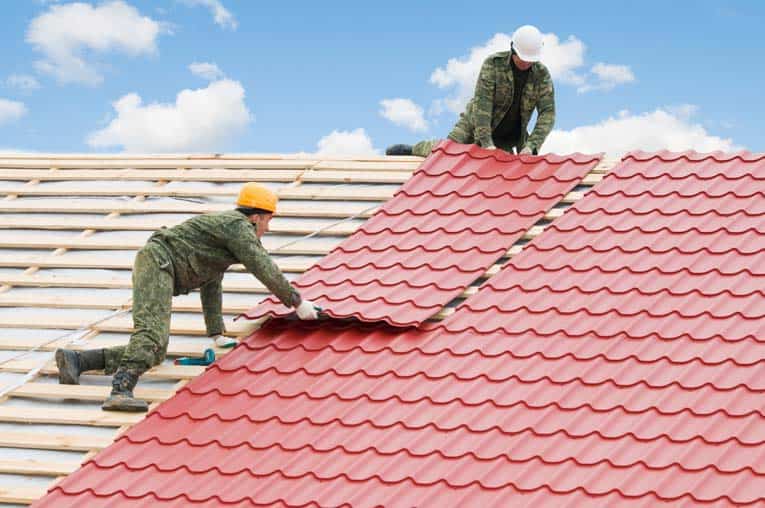
To find a good metal roofing contractors, ask friends and neighbors who have had similar roofs installed (though they may be hard to find because metal roofs are relatively uncommon). You can search online sites such as Yelp, HomeAdvisor or Networx. Be sure to check out reviews and look at photos of completed jobs.
Metal Expands & Contracts
Metal expands and contracts as it warms and cools. This can cause the roof to have a wavy effect on hot days or, over time for fasteners to pull loose. To remedy this problem, most new metal roofing products have fastening systems that accommodate movement. In addition, if you have dark-toned metal roofing that is absorbing too much heat, you can paint metal roofing a lighter color.
Difficult for Firefighters
Though metal roofs are good at guarding against a fire that approaches from outside a house, such as from flying sparks and embers, they are not ideal for fires that start inside a house. With a serious house fire, firemen may need to cut through the roof to put out the fire. This job can be much more difficult and take longer if the house is capped with a metal roof.
Our Summary Recommendations
Most of today’s houses are topped by asphalt fiberglass shingles. In fact 4 out of 5 U.S. roofs are, according to the Asphalt Roofing Manufacturers Association (ARMA). Asphalt-fiberglass has become the dominant American roofing material for many good reasons, as discussed above.
But the popularity of metal roofing is gaining on asphalt. According to Building Design + Construction, in recent years, metal roofing materials “have achieved double-digit market share growth while the market share of asphalt shingles has dropped slightly.” Underscoring this growth, Renee Remey, Executive Director of the Metal Roofing Alliance say’s, “Our research shows that metal roofs are now the second most popular roofing choice among homeowners.” [Citation]
If your budget can afford the initial cost of metal roofing and you plan to stay in your home for a long time, metal can prove to be a very solid investment. This is particularly true if you live in an area that is prone to storms or wildfires and your home’s architecture lends itself to metal roofing. Bottom line: Metal roofing is a very durable, effective, lightweight choice that is relatively quick to install by professionals.
How Would Metal Roofing Look On Your House?
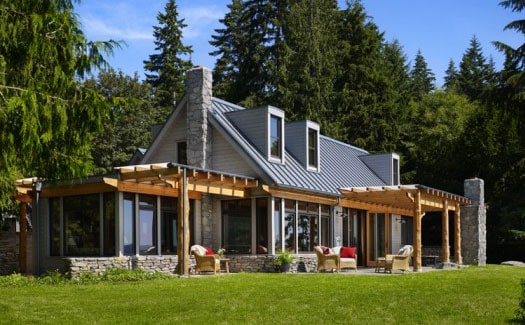
Another major consideration before seriously considering a metal roof for your home is what it would look like.
Go through photo galleries that metal roof manufacturers offer on their web sites to see houses that resemble your home’s style to get a feel for how metal roofing would look on your house. Also, check out the metal roof visualizer, where you can upload a photo of your house and see what various types of material roofing would look like on it.
For a comprehensive look at the many different choices in metal roofing, be sure to see the HomeTips Metal Roofing Ultimate Buying Guide.
Did we answer all of your questions about the benefits and drawbacks of painting metal roofs? Please check out the “Conversation” at the bottom of the page if you’d like to explore this topic further.