Need to add a little more juice to your home’s electrical system? Here’s expert advice on how you can upgrade your home wiring.


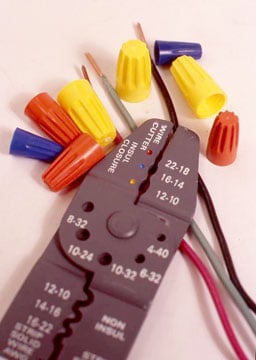
There are three conventional and safe ways to expand the existing electrical system in your home:
• Extend an existing circuit
• Add a new circuit
• Install a subpanel
Extending a Circuit
While any of these options will work, it’s important to keep the total house load—the amount of electricity flowing through your home—within the total service rating of your home. (See the Home Appliance Energy Usage chart below.)
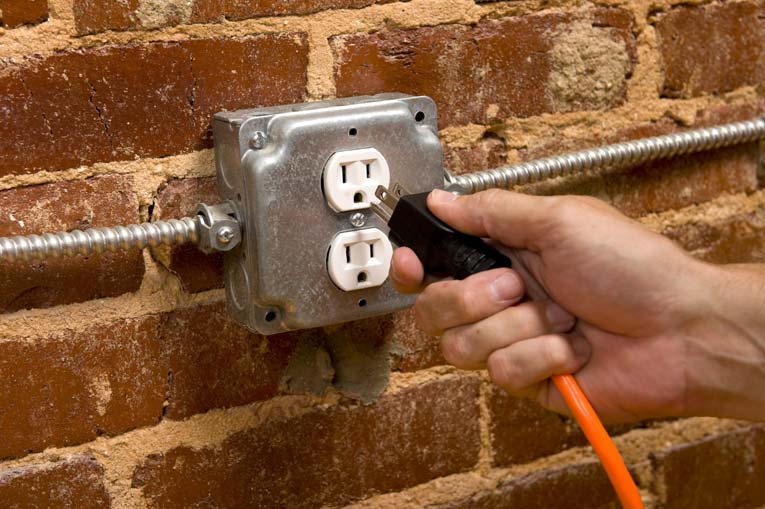
Extending an existing circuit is probably the easiest way to add to a wiring system. You might consider doing this, for example, when you find yourself depending on extension cords, which are not meant for long-term durability and safety.
To tap into an existing circuit, you must have both a hot and a neutral wire that are in direct connection with the power source at the service panel. Any accessible switch, receptacle, or light fixture may be used.
The exceptions to this are a switch box wired with two hot wires only, as in a switch loop, and a switch-controlled light fixture at the end of a circuit. In these cases, select a power source and extend the circuit from it.
Adding a New Circuit
If an existing circuit cannot handle a new load, or when a new appliance requires its own circuit, adding a new circuit is the answer. It is important, however, to calculate the total house load with the new load to ensure the total load will be within your service rating. Remember that all new 120-volt branch circuits must have a grounding wire in order to comply with code.
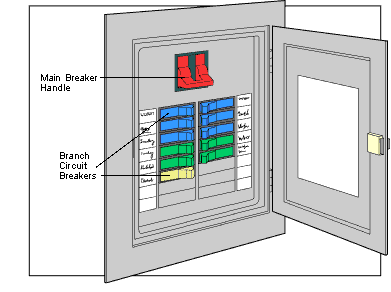
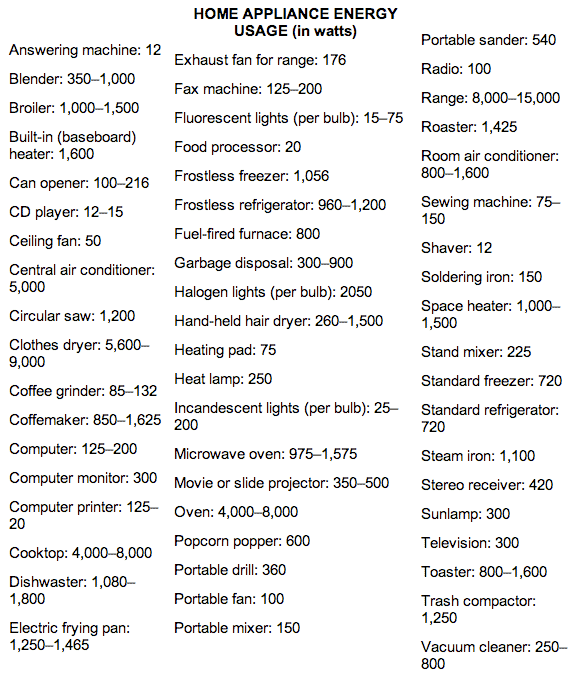
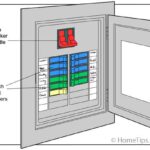
Your distribution center may look like it is full, but you may still be able to add new circuits. If your panel uses breakers, you have the option of replacing a 120-volt breaker with a 120-volt, two-circuit breaker designed to fit into the same space as a single breaker.
Adding a Subpanel
The last, and most extensive, solution to updating your home wiring is to add a subpanel. Subpanels are routing stations connected to your main breaker box that are wired from a two-pole breaker.
The number of subpanels you can have is unlimited as long as your load does not exceed your service rating. By placing subpanels in areas of high usage, you will be routing your branch circuits from the subpanels rather than routing all the circuit runs from the service-entrance panel. This method means shorter, more direct runs, saving both time and money.
New Service Considerations
There is one more option when your current wiring system cannot accommodate your proposed additions: upgrading the service-entrance equipment.
You must first determine the service rating you will need, the same way you would calculate your electrical load. To do this, you will need to take into consideration the wattages of the appliances you plan to install.