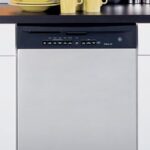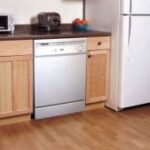
How to troubleshoot and repair common dishwasher problems, including a dishwasher that doesn’t run, fill or drain. Also, how a dishwasher works.

Because dishwasher repair isn’t usually an emergency, you have the opportunity to troubleshoot dishwasher problems and try solving them yourself before calling home appliance repair services.
The following should help you repair a dishwasher that doesn’t run right—or doesn’t run at all. If your dishwasher leaves spots or film, or does a poor job of cleaning, see Dishwasher Washes Poorly.
A basic understanding of how a dishwasher works is helpful before you begin dishwasher repair. At the bottom of this page, see How a Dishwasher Works.


 HomeTips Pro Tip: Before you begin troubleshooting, unplug the dishwasher or shut off its electrical circuit. Also turn off the its water supply valve. Don’t work inside the dishwasher immediately following a cycle because the dish-drying element at the bottom may still be hot.
Dishwasher Does Not Run
If you turn on the dishwasher and absolutely nothing happens, it may not be receiving electrical power.
1 Be sure the power is on, the door is latched, and the control is engaged. If absolutely nothing happens—in other words, nothing on the control panel lights up and there are no other signs of life—the appliance may not be receiving power.
Look where the dishwasher’s cord plugs into a receptacle, usually under the sink. Check to see if that outlet is a GFCI receptacle with a reset button. If the receptacle has a reset button, push the reset.
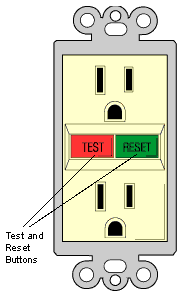
In the condition where the receptacle doesn’t have a reset, or where the dishwasher’s cord is hard-wired directly into the electrical box, look for another receptacle nearby that has a reset and try resetting it. (This is a long shot, but it’s easy to do and may solve the problem if the dishwasher is on the same circuit.) To test a receptacle for power, just plug a working hand-held appliance into it.
2 Check the electrical panel that serves the dishwasher for a tripped circuit breaker or blown fuse. If you find one, switch the breaker to OFF and then back to ON to reset the breaker, or replace the fuse.
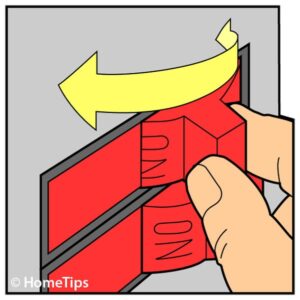
3 Check dishwasher switches & timer. If electrical power is available to the dishwasher but the appliance doesn’t run, the problem is likely a defective door switch, timer, or selector switch. To solve a door switch problem, you may be able to adjust the door latch’s strike slightly, using a screwdriver (turn off the power to the dishwasher at the electrical panel first). If the problem is with the timer or selector switch, it’s best to call an appliance service person.
Dishwasher Does Not Fill
If your dishwasher runs but doesn’t fill, either something is wrong with the water supply system or it is draining water too soon.
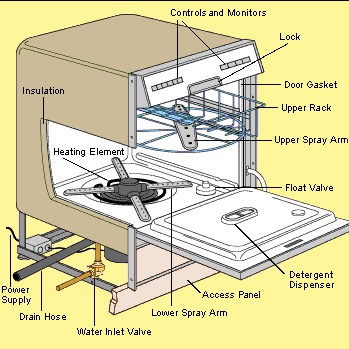
1 Make sure the water supply is turned on. Check the hot water supply stop valve, normally located under the sink. Open it all the way by turning it counterclockwise. If you can’t think of any reason this would have been turned off since the last time the dishwasher worked, go on to the next step.
2 Turn off the power to the dishwasher. When the dishwasher is cool (in other words, not right after a wash cycle), look for the float inside the dishwasher. The float is usually a small plastic dome or cylinder mounted inside at the tub’s base, near the front. When you move most types of floats up and down, you can hear them click because their spring-loaded action trips a lever. Lift out the float mechanism, and clean around the float tube. Many floats require disconnection from below; to do this you’ll have to remove the lower access panel. Rinse off the float, replace it in the tube, and make sure it moves up and down freely.
3 Check the water inlet valve. Shut off the hot water valve to the appliance. Locate the dishwasher water inlet valve, behind the dishwasher’s bottom front panel. Disassemble the valve to reveal the screen. Clean any debris from the screen and reassemble the valve. If the screen appears clear, call an appliance repair person. Any of several parts—including the water inlet valve, pressure switch, and timer or selector switch—may be faulty.
How to Replace a Dishwasher Water Inlet Valve
The following videos show how to replace the water inlet valve. Though the voice-over is kind of robotic for some. the information is good.
Replacing a water inlet valve on a Kitchenaid, Kenmore, Whirlpool or Maytag dishwasher:
Replacing a water inlet valve on a GE dishwasher:
Dishwasher Keeps Filling
If the water flow to the dishwasher doesn’t automatically shut off, the float switch is faulty, the timer is stuck on Fill, or the water inlet valve is stuck open (see videos above for replacing the water inlet valve). To test the float switch, you’ll need an inexpensive multimeter like the one shown here, which costs under $25 online. Less expensive multimeters are available, too.
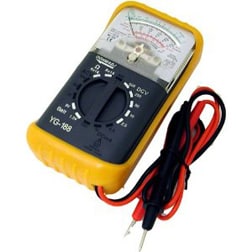
1 Reach into the cabinet and lift up the dome-shaped plastic float switch. If it doesn’t lift up, remove the plastic top from the stem, scrub the stem clean, and then replace the dome. If it moves up and down freely, go on to Step 2.
2 Note which wires are attached to the float switch’s terminals, and, using small pieces of tape, label them for future reference should you need to replace the switch.
3 Set the volt-ohm meter’s dial to Rx100 and touch the two probes to the terminals. When you lift up the float, the tester’s needle should show an infinity reading, and, when you let the float drop, the needle should show a 0 reading. If it doesn’t, replace the switch. Unscrew it from the tub, take it to your local hardware store or home improvement center, buy an identical replacement part, and then install it.
How to Replace a Dishwasher Float Switch
Replacing a float switch on a Kitchenaid, Kenmore, Whirlpool or Maytag dishwasher:
Replacing a water inlet valve on a GE dishwasher:
Dishwasher Does Not Drain
Following a cycle, a small pool of clean water inside the tub is normal. An excessive amount of water indicates an improperly-working pump, a clogged drain hose, or the clogged house drain lines.
If dirty water spews from the air gap, check the drain line for a kink or clog. (If you’ve recently installed a garbage disposer, be sure the knockout plug for the dishwasher was removed when the connection was made; see your disposer instructions.)
1 Remove the cover from the air gap at the top of the sink (usually a short chrome domed cylinder that sits at the back of the sink), and, using a stiff wire, clean it out. Also check the entire length of the drain hose for kinks or blockages, especially at the drain connection to the disposer or drain line.
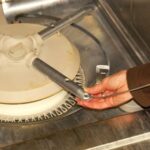
2 Once the dishwasher is cool, shut off the power to it, and—if your dishwasher is made to allow this—remove the strainer (shown below), located under the bottom spray arm at the base of the cabinet.
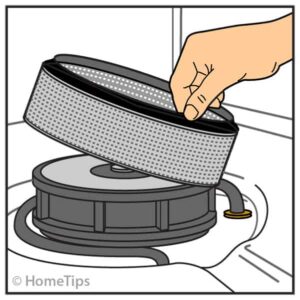
Unscrew the hubcap, lift the spray arm off, and remove any clips that hold the strainer to get it out. Scrub it clean with a brush and then replace it.
3 Determine whether the sink trap or house drain line is clogged. If the sink backs up, you’ll need to check for a drain clog. If this is the problem, see Sink & Drain Repairs.
4 If the dishwasher still doesn’t drain properly, the drain hose may be clogged or the drain valve may need replacement. You can check the drain hose for obstructions, but this usually involves pulling the dishwasher out from under your counter to access the hose, disconnecting the hose at both ends, and flushing it out with a faucet or garden hose, or replacing it with a new hose (see dishwasher hose repair kits).
Repair Dishwasher Leaks
If you have nuisance water leaks around the base of your dishwasher, you may be using a detergent that is sudsing too much. Cut back on the amount of detergent you use and see if that makes a difference.
Improperly loaded dishes can cause water to spill through the door vent. Leaks from the door itself usually come from a faulty door gasket or faulty door tightness adjustment.
Also make sure the dishwasher is sitting level (you can adjust the front feet up or down, and many units have some type of levelers at the rear).
Water under the dishwasher may be originating from a leaky hose or loose hose connection. Remove the lower front panel and check the hoses. The pump seal may be defective, too; replacing this is a job for a repair person.
An older dishwasher may have become corroded at the bottom, but this is fairly uncommon. However, if this is the case with your dishwasher, it’s definitely time to invest in a new one.
How a Dishwasher Works
Despite the magic it performs in the kitchen, a dishwasher is actually quite simple—it is essentially a watertight box that sprays dishes with hot water and soap, drains out the dirty water, and then dries the dishes.
All of this is operated by controls that may be very simple or quite complex. The controls tell the system when to spray, when to release detergent from a dispenser, when to extract water from the tub and pump it back through the system, when to rinse and remove the rinse water, and when to turn on the heating element.
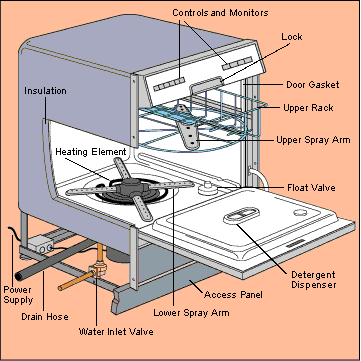
Hot water travels to the interior of a dishwasher through a supply hose that connects to a water supply valve, typically mounted under the sink. To shut off the water to the dishwasher, you close this valve. The other end of the supply hose connects to a water inlet valve inside the dishwasher. The inlet valve, electronically connected to the controls, opens and closes to supply water to spinning spray arms. These spray arms, usually at both the top and bottom of the tub, are like a high-pressure sprinkler system that sprays the dishes clean.
Dirty water collects at the base of the interior chamber, moves through a filter, and gets pumped back through the system during the early wash cycles. When all of the cleaning and rinsing cycles finish, the pump sends the dirty water out through a drainpipe. Then an electric heating element heats up to dry the dishes.
Problems with proper cleaning usually arise if the water is not hot enough (140 degrees F. is optimal) or if your water is too hard. How hard is your water? See How to Test for Hard Water. Also, when operating your dishwasher, use the right amount of soap for your water type—1 teaspoon per grain of water hardness.
In addition to utilizing water, dishwashers use energy for heating water, drying cycles, running the pump, and powering the controls. When shopping for a new dishwasher, picking an efficient model is the first step to achieving considerable energy savings (see Dishwasher Energy Efficiency).
Dishwasher Energy-Saving Tips
In addition, you can save energy by paying attention to how you operate your dishwasher.
Here are some tips on how to use your dishwasher to its best advantage:
• Because modern dishwashers are pretty powerful when it comes to cleaning, you can skip hand-rinsing dishes—thereby saving water—and just scrape any leftovers off your dishes.
• Only run your dishwasher when it is full, but do not overfill it; dishes that are packed in too tightly will not come out clean and may get chipped.
• Pick the shortest cycle that will get your dishes clean. Today’s dishwashers come with a plethora of cleaning options. Obviously, the “Power Scrub” function isn’t going to be necessary for every load, so experiment to see what meets your household’s average needs while utilizing the least amount of water.
• Let dishes dry after the wash cycle by opening your dishwasher door, if it will not impede the flow of traffic. Or utilize the energy-saver feature if your model has one.