This expert guide shows you how to fix your clothes dryer when the cycles don’t advance properly, with troubleshooting tips and possible solutions.

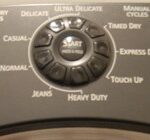
A clothes dryer’s timer is designed to advance from one setting to the next when the heat in the tumbler has reached a certain level for a given period of time. If yours doesn’t, or if the dryer cycles properly when you advance the timer control by hand, it is likely that the timer is broken and needs replacement.

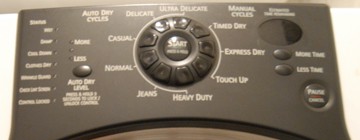
Some mechanical dryer timers have a small electric motor in them; this is the part that usually goes bad. The best solution is to replace the entire timer, which you can order online by model number. Be sure to disconnect the electrical power to the dryer and turn off the gas (if it is a gas dryer) before doing any work on it.
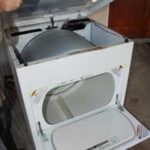
Study how the control panel is attached to the dryer; if possible, refer to your owner’s manual. The control panel may be screwed to the top of the dryer—you can usually remove it by simply unscrewing the attachment screws. To open it, you may have to remove a few control knobs. Don’t remove the defective timer until you have the new one. Then, remove the wires from the old timer and attach them to the new timer. Be sure to follow the directions on the new timer package in case the design of the new timer varies slightly from the old one.
If the timer does not seem to advance the dryer even when you cycle it by hand, it is more likely that something is preventing the dryer from heating properly. If the dryer is not heating as it should, the timer will not advance automatically. In this case, you need to look at the root causes of improper heating; see Dryer Does Not Heat Properly.
Then, if you need to get professional help, go to this site for FREE listings of qualified local prescreened clothes dryer pros.


OTHER DRYER REPAIRS:
Clothes Dryer Doesn’t Heat Properly